
Throughout the last several years, we’ve seen a clear shift in how homeowners approach organization and storage. What was once an afterthought – a few bins here or there or a quick retail fix has evolved into a strategic design decision.
Consumers are moving away from temporary products and investing in permanent systems that add measurable value, operate efficiently, and enhance daily living.
Storage as an Investment
More property owners are evaluating return on investment during renovation. Custom solutions consistently perform well because they improve functionality and elevate perceived home value. This isn’t solely about resale; it’s about creating something enduring.
A closet is one of the most frequently used spaces in the home. When thoughtfully planned, it delivers more than containment. A well-executed layout promotes order, improves workflow, and supports a streamlined routine. Instead of navigating clutter, homeowners move through their day with clarity and efficiency.

By contrast, off-the-shelf options often introduce inefficiencies. They’re rarely tailored to wardrobe habits, spatial limitations, or ergonomic standards. The result is constant reorganizing, monthly or even weekly, which wastes time and underscores the shortcomings of temporary fixes. Purpose-built systems resolve that issue by integrating layout, personalized spatial needs and individualized preferences from the beginning.
The Design Mistakes That Limit Performance
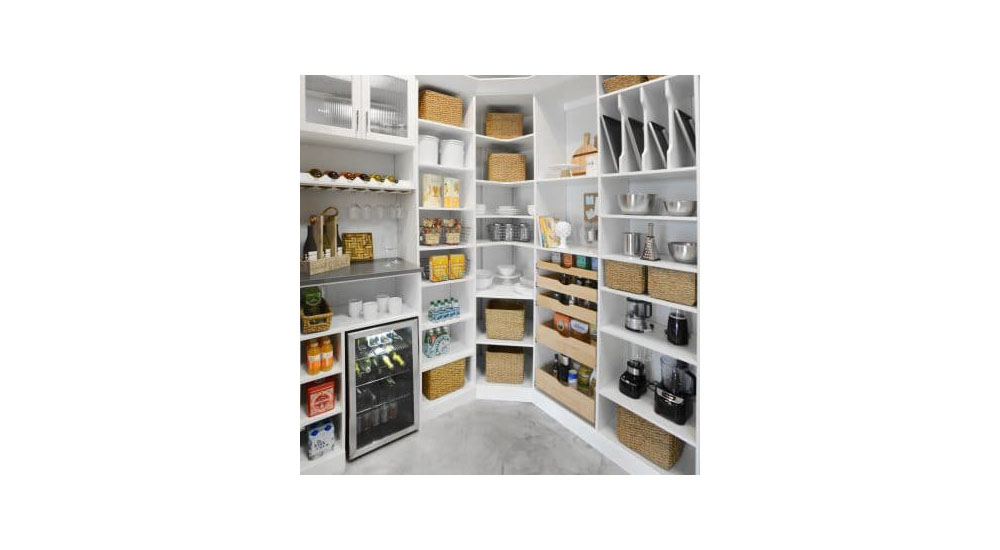
Image courtesy Inspired Closets
As demand increases for more storage solutions, performance ultimately depends on disciplined planning. Most failures are not product-related; they stem from spatial miscalculations.
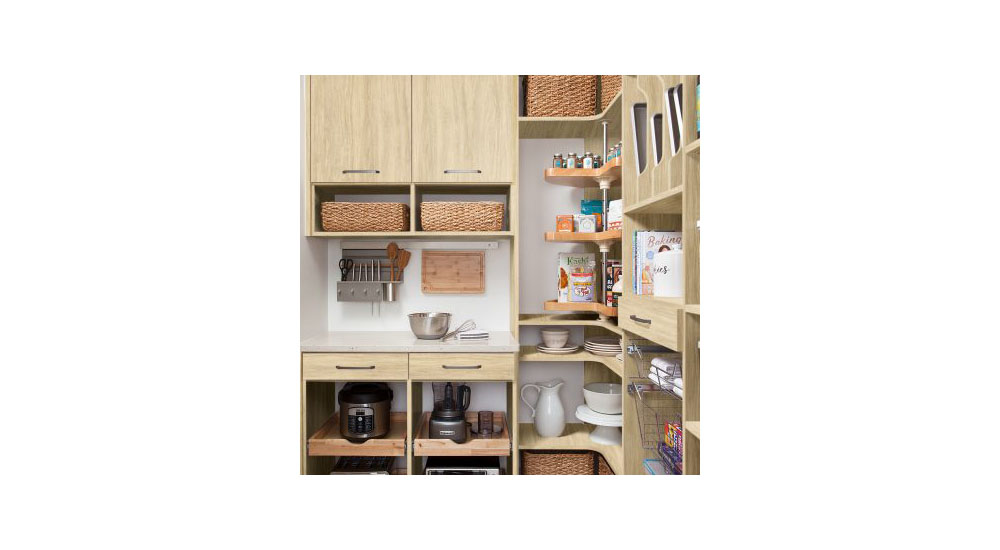
Corner execution is a common issue. Without strategic planning, these areas become dead zones or points of congestion. The corner requires a design that maximizes functionality while ensuring easy accessibility. Vertical allocation is another frequent oversight. Shoes positioned beneath hanging garments reduce visibility and airflow. Drawer stacks installed too high may increase capacity numerically, but they ignore comfort and long-term usability. Maximizing height should never compromise access.
High-performing closets are designed around measurable criteria, reach zones, circulation and clear visibility, not simply linear footage. Successful layouts balance hanging, shelving and drawer placement with real-world behavior. If items cannot be easily seen and accessed, the system is underperforming.
Designing for Longevity
Homeowners want solutions that function today and adapt over time. That requires flexibility, efficiency and thoughtful planning.
When executed properly, a well-designed closet does more than organize – it elevates daily life and strengthens overall home value. That is why more consumers are choosing permanent, purpose-built systems engineered to endure.
—Michael Carson is the owner of Inspired Closets Chicago. He played a key role in establishing the organization that is now known as the Association of Closet and Storage Professionals (ACSP)