
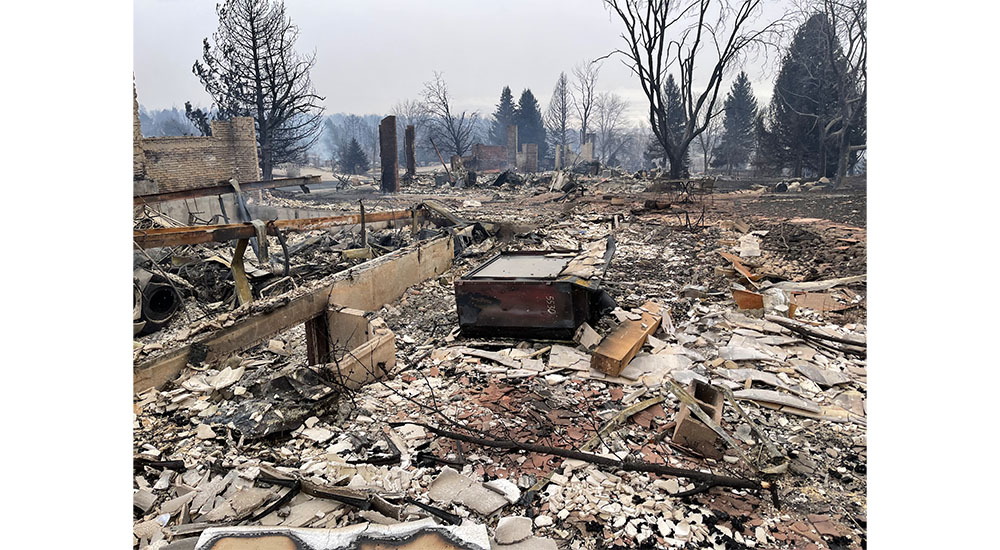
Rebuilding a home after a catastrophe such as a fire is an emotional and difficult process for any client. For many individuals, the loss of a home represents not only a financial setback, but also the loss of memories, comfort and a sense of stability. Helping someone move forward and design a new home requires empathy, thoughtful planning and engagement, a focus on resilience and long-term needs.
My wife and I personally experienced a disaster as a result of the Marshall Wildfire in December 2021. There was much emotional impact because of our loss. It was important not to rush into making design decisions and rather to engage with our carefully selected architect and designers. They were very good about carefully listening to what we were going through.
Tactful Understanding of the Situation
Many people in our area were grieving not just the loss of their physical structure but also the associated memories. Giving clients who have gone through something similar the space to talk about what they loved about their previous home – and what they wish had been different – can help shape the design of the new one. This stage builds trust and ensures that the rebuilding process becomes a positive step forward rather than simply replacing what was lost.
And don’t forget that building a new home was not something they are prepared to do. The vast, countless decisions that need to be made through the process can take more time than usual as they can be overwhelmed and are trying to get their life back to a semblance of order. Give them time and space when it appears as though it is becoming a challenge for them. They will appreciate it.

Code Changes After a Disaster
Once the emotional framework has started, the focus can shift to evaluating the site and understanding any new regulations or rebuilding requirements. After many catastrophes, local building codes and zoning rules usually change to improve safety. This may involve new setback rules, fire-resistant materials, defensible landscaping, improving electrical design, fire sprinklers, elevating the home in flood zones and stricter energy requirements. Working closely with designers, architects, builders, contractors and local officials can help ensure the new home will comply with current standards while still meeting the homeowner’s vision.
Opportunity for New Designs
A key opportunity when rebuilding after a catastrophe is to design a home that better supports the homeowner’s lifestyle. Many people discover that this situation provides a chance to rethink how they want to live. Perhaps the previous home had rooms that were rarely used, poor storage or a layout that didn’t function well. The new design can address those issues by creating more functional spaces, improving flow or adding flexible rooms that serve multiple purposes. Open floor plans, dedicated work-from-home spaces and accessible layouts are often priorities in modern homes. I suggest working with the client to create a prioritized list of at least 20 items they would like to include in the home.
Utilize Sustainable Products & Accessible Characteristics
Energy efficiency and sustainability are important considerations. Since the home may be built from scratch, homeowners have the chance to incorporate high-performance insulation, heat pumps, appropriate HVAC designs, energy-efficient windows, renewable and backup energy systems and smart home technology just to name a few. These features can reduce long-term operating costs while improving comfort and environmental impact. Designing a home with a strong building envelope and efficient mechanical systems can also improve resilience during extreme weather.
Accessibility and long-term livability should not be overlooked. Many homeowners rebuilding after a catastrophe plan to stay in their new home for many years. This is now an opportunity to design with living-in-place design principles, such as wider doorways and passageways, curbless showers, step-free entries, easy access to other levels, better lighting and smart technology. These elements can make the home easier to live in as needs change over time and can be incorporated seamlessly into the design so they enhance both functionality and aesthetics.
Unique Rebuild Challenges
Budget planning is another critical element when rebuilding after a catastrophe. Shortcomings from insurance settlements, rising construction costs and increased property value once the home has been built can create financial challenges. In the circumstance of a major disaster, work on the project will be in competition with many other homes doing the same, thus adding significantly more time to the build schedule. Working with experienced professionals to prioritize features, timing and manage costs can help ensure the homeowner achieves the most important goals within their budget. Clear communication and realistic expectations help prevent stress during the rebuilding process. Something that is not always considered is to ensure they will have proper insurance – both building and possessions – to be fully covered if a disaster strikes again.
Obviously, there are many other items to consider, but the goal of designing a new home after a catastrophe should be creating a place of renewal and security. While the loss of the original home and its keepsakes can never be fully replaced, a thoughtful design process can help homeowners create a space that reflects their values, supports their lifestyle and provides greater protection for the future. With empathy, careful planning and a focus on resilience, rebuilding can transform tragedy into an opportunity for a stronger, more intentional home.
—Louie Delaware is president and founder of the Living in Place Institute