
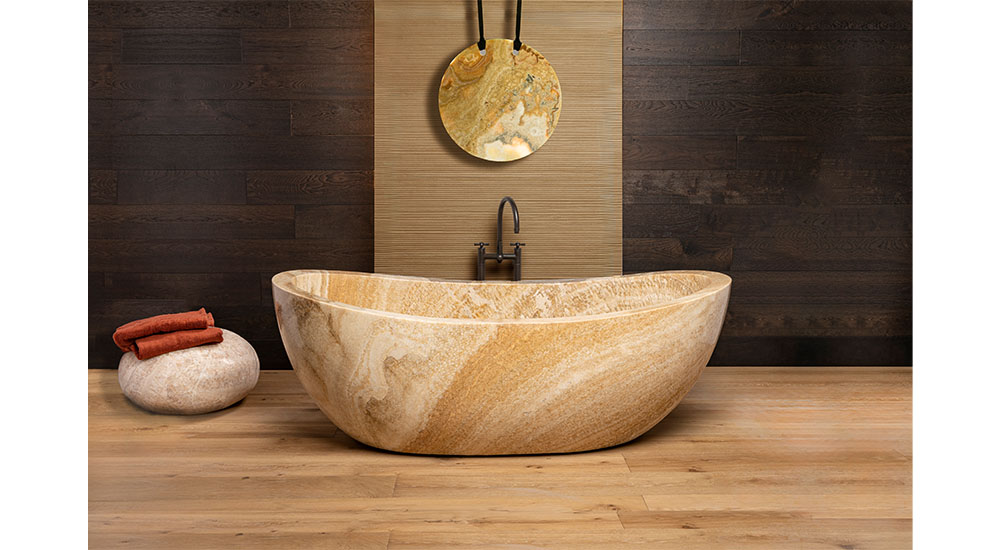
In an age dominated by screens, stress and nonstop schedules, our homes are becoming places of refuge – and no space is undergoing a more profound transformation than the bathroom. Once purely utilitarian, the modern bathroom is being reimagined as a sanctuary: a space for ritual, rest and renewal. At the heart of this evolution is biophilic design
Biophilic design is the intentional integration of natural elements into the built environment to nurture our well-being and restore our connection to the natural world. In bathrooms, this approach moves beyond aesthetics to tap into our sensory and emotional responses – using materials, textures and light to promote calm and mindfulness.
In recent years, the return to natural materials has been supported not just by aesthetic preferences but by scientific research around biophilic design, which explores how the built environment can foster a stronger human connection to nature. Studies have shown that integrating natural materials, textures, light, water and greenery into interior spaces can positively affect well-being. These principles are especially relevant in high-touch, high-use spaces like bathrooms, where occupants crave calm and a sense of retreat. According to research published in Frontiers in Psychology and Building and Environment, exposure to organic forms and natural materials in interior spaces can reduce cortisol levels, support mental focus and improve perceived air quality.
Biophilic Design and the Language of Stone
We work in a carefully curated palette of natural stones – marble, granite, limestone, sandstone and onyx – each formed deep within the earth over millions of years through processes of heat, pressure and mineral layering. These stones are not only durable and distinctive in appearance, but they also offer inherent variation that cannot be replicated by engineered materials. Every vein, striation and shift in tone represents a geologic timeline, giving each piece a unique character and aesthetic signature. For specifiers and designers, this means no two installations are exactly alike, each project benefits from material authenticity and visual interest rooted in nature itself.

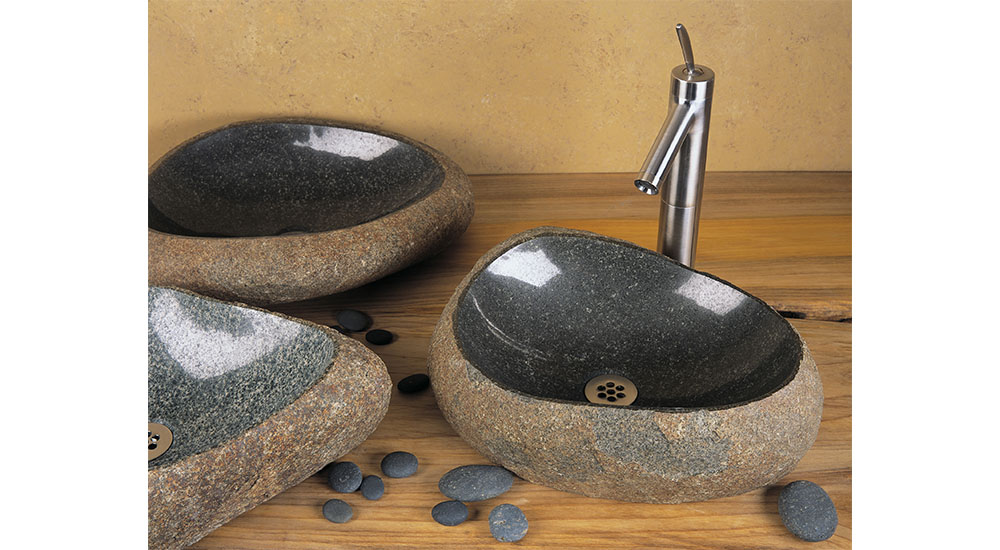
Photo: Stone Forest
Natural stone, with its visual complexity and tactile variation, meets several key biophilic criteria. It introduces natural patterning (fractals), non-repetitive surface finishes and a sensory temperature shift that invites interaction. These qualities turn everyday experiences – washing hands, drawing a bath – into moments of mindfulness. For designers creating wellness-forward or hospitality environments, stone becomes more than a specification: it’s a strategic material choice that balances beauty, functionality and emotional impact.
By incorporating earth’s raw elements into our most intimate spaces, we’re not just referencing nature, we’re restoring a relationship with it. As interest grows in environments that support physical and mental health, the use of authentic materials like stone is no longer a luxury; it’s a design imperative grounded in both tradition and evidence-based design.
—Michael Zimber is founder of Stone Forest