In 2025, the ongoing economic insecurity – driven by high interest rates, fluctuating construction and material costs and a more cautious housing market – has reshaped how clients approach renovations and decision making. While they may be more cautious, the longing for high-quality kitchens and bathrooms remains still present. However, what we’ve seen is that luxury is being redefined, not reduced. It is no longer about sizeable square footage or spending tens of thousands of dollars on exotic stones and woods. Today, luxury is about intentionality, longevity and everyday performance.
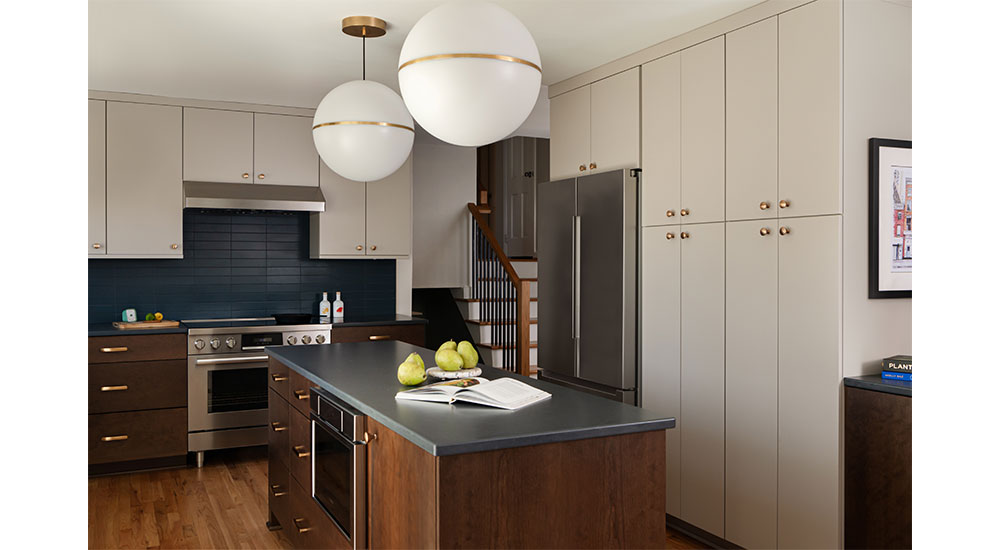
Above photo: Designed by TEW Design Studio in Raleigh, N.C., this kitchen shows how luxury can feel grounded and livable. Thoughtful storage, durable materials and a warm, balanced palette come together to create a space that works hard every day and only gets better with time. Photo credit: Abigail Jackson Photography
Defining the Playing Field
To understand how luxury is evolving, it’s important to understand who today’s kitchen and bath client is. It is typically an upper-middle to affluent professional household, financially capable but increasingly intentional with their spending. They tend to be in their late 30s through early 60s, spanning older millennials, Gen X and younger baby boomers. They are often navigating pivotal life stages, such as growing families, career advancement, caring for aging parents or planning to age in place in their home long term. Their renovation ideas are rarely impulsive; they’re strategic.
Past markers of luxury included oversized islands, statement stone from faraway lands and trend-driven finishes. Clients are asking: “Will this last?” “Will this still feel right in 10 years?” “Does this improve how we live every day?” They are looking for confidence in choices that are durable, enduring and enhance their daily routines rather than conspicuous consumption just for the sake of it. Luxury has become a quiet reassurance during uncertain times. Clients want their decisions to reflect an investment that feels smart, stable and future-proof, not flashy or trend driven.

Luxury Evolved
In today’s design conversation, the focus is on behind-the-scenes investments like storage, lighting, plumbing performance, sound control and craftsmanship that elevate daily living without shouting. Luxury shows up in function, performance and durability. Thoughtful storage solutions, improved workflow, layered lighting and efficient fixtures sit at the center of the design process while prioritizing materials that age well.Every element in a newly renovated space feels intentional and serves a purpose.
There is also a strong emotional component driving these choices. After years of walking clients through kitchen and bath renovations, it’s clear these rooms carry more emotional weight than almost any other space in the home. For today’s client, luxury is experienced as reducing stress, easy to maintain and intuitively designed. A well-crafted working section of the kitchen, a thoughtfully planned vanity or a purposeful lighting layout that supports both tasks and relaxation can have a far greater daily impact on mental health than a dramatic finish alone. There is a need today for a home to support routines, improve quality of life and reduce stress, which in turn reduces health issues and promotes wellness.
A Human-Centered Approach
At TEW Design Studio, we believe we have a responsibility to reframe value, prioritize life-changing design and present intentional and informed design choices to the client when financial confidence is shaky. Thoughtful layouts, durable materials and design decisions rooted in how people actually live have always been the foundation of good design. What is new, however, is how often clients are asking for these things instead of focusing on high-cost features. They come to the table with an awareness that bigger and flashier does not always equal better. The conversation has shifted from convincing clients to slow down to helping them prioritize longevity and wellness.
Luxury has not left the building; it has simply become more aligned with what a seasoned designer has always known matters. Today’s clients are asking for spaces that work hard, feel intuitive and stand the test of time. In uncertain times, this alignment between designer expertise and client mindset is powerful. It allows us to lead with clarity, intention and integrity and to create spaces that feel not only stunning but also undeniably right.