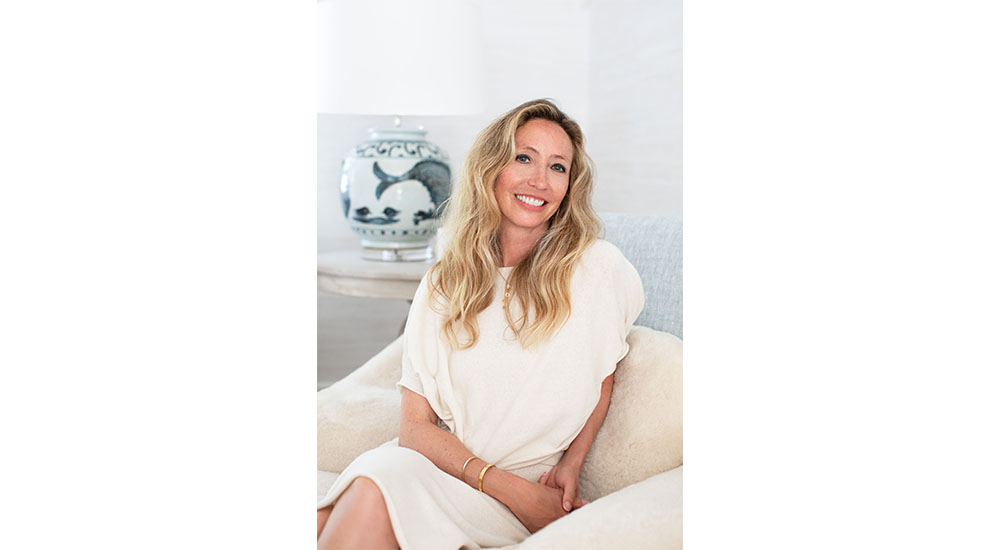
In our latest From the Tap podcast, we speak with Chicago-based Andrea Goldman about designing kitchens and baths that support real-life routines – an experience that sometimes overlaps with clients who are going through major life transitions.
The designer notes that most successful kitchens and baths begin long before decisions about finishes, fixtures or aesthetics are made. The process begins with understanding how people actually live. Every household has its own rhythms, and often each member of the family uses a space differently.
She explains how she learns the details by asking highly specific and personal questions about daily routines. This informs how she balances function with emotion in the design. The goal is to create environments that are both beautiful and deeply livable.

Asked about how she earns the trust of her clients, Goldman says that trust develops when clients feel heard. She points out that clients are the experts on their lives, and she is the expert on translating those needs into functional and beautiful spaces. When trust is established, clients feel seen rather than simply guided, and that’s when the most meaningful work happens.
Designing for the Future
The conversation then turns to how design can support clients through changing life stages.
The designer emphasizes that it’s important to design with an eye toward the future. Families grow, children leave home, work habits change and lifestyles evolve. When a design is rooted in how people live today while remaining flexible enough to support tomorrow, it has lasting value and meaning.
Major life changes, whether welcoming children, becoming empty nesters, caring for aging parents, recovering from a health event or entering retirement, can dramatically shift both the practical and emotional demands placed on a home.
Goldman explains she tries to look beyond the immediate project; she wants to understand how clients live today, but equally important is understanding how they want to feel in their homes moving forward. Are they seeking calm? Connection? Independence? More time together as a family? The designer points out that those emotional goals often become the foundation for the design.
She tells listeners she approaches these conversations with sensitivity and without assumptions. Rather than focusing on a particular life stage, Goldman focuses on goals and lifestyle, asking clients how they want to live in the years ahead and what challenges or opportunities they anticipate. That keeps the discussion centered on possibility rather than limitation.
When clients feel that their homes can grow alongside them, the designer explains, there’s a profound sense of ease and connection that comes with that.
The discussion wraps up with Goldman examining the evolving role that kitchens play in the modern home and how that informs their design. She takes a deep dive into how the room needs to support not only cooking and efficiency, but it also needs to encourage connection, saying, “We’re designing for conversation, collaboration and shared experiences as much as for food preparation.”
To hear the full conversation with Andrea Goldman, listen to the podcast on Spotify, Apple Podcasts, Pandora and other outlets.