
One of the most common things we hear from potential clients is “We just need help choosing paint colors.”
It sounds simple because paint feels like the easiest place to start. It’s fairly inexpensive, can really transform a room and there are thousands of options.
But the truth is paint color should almost never be your first design decision. In fact, choosing a paint color too early is one of the quickest ways to create a space that feels “off”, unfinished or harder to pull together than it needs to be.
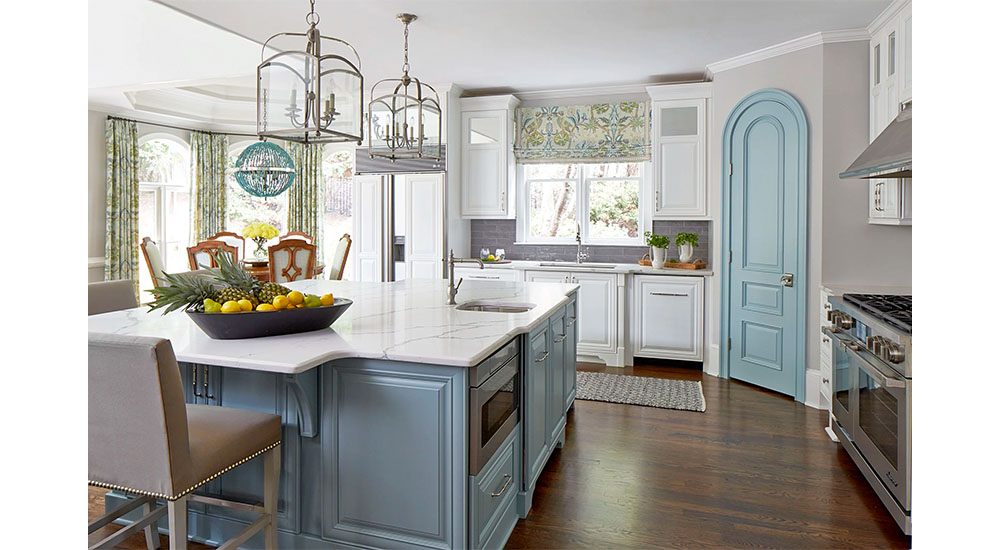
Photo: Emily Followill Photography
Paint is the simplest way to change the look and feel of a room

It is one of the last decisions we make in a space. The main reason is that it’s way simpler to tweak, which isn’t the case for furniture, art and rugs.
When you choose paint first, you’re locking the entire design into a decision where no other elements have been chosen.
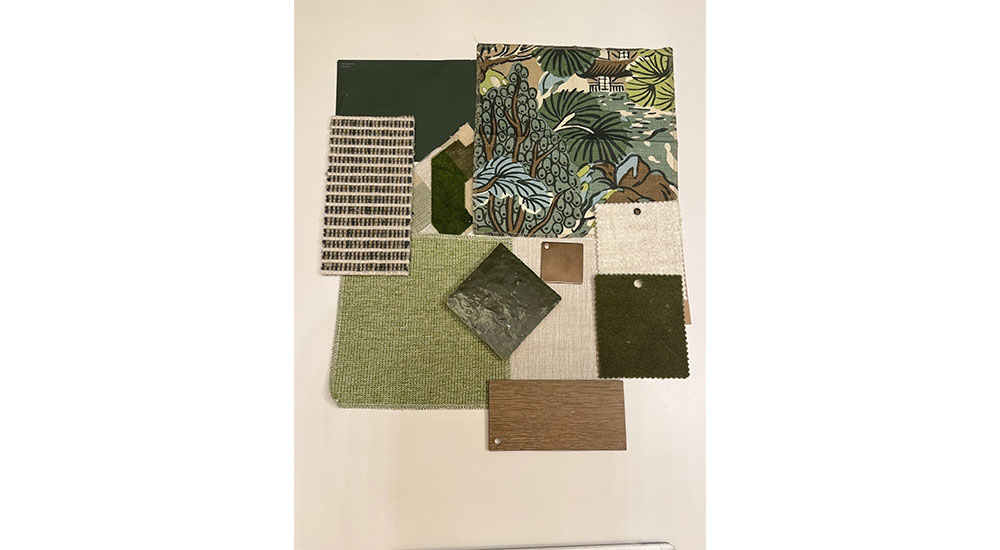
The Big Mistake: Designing Around Paint Instead of the Room
A room is more than the wall color. It’s a collection of many things working together: For example, furniture, upholstery, art, rugs, fabrics, wood tones, finishes, natural and artificial lighting and architectural details. Paint should be an accent to these, not the primary focus.
Lighting changes everything, especially paint.
Paint color shifts throughout the day based on:
Natural light direction – colors look different in morning, noon and night.
Window size and placement – bigger windows or a different direction change how much light gets in.
Artificial lighting temperature – warm or cool light bulbs totally change the vibe after dark.
Ceiling height and wall texture – this affects how light bounces around the room.
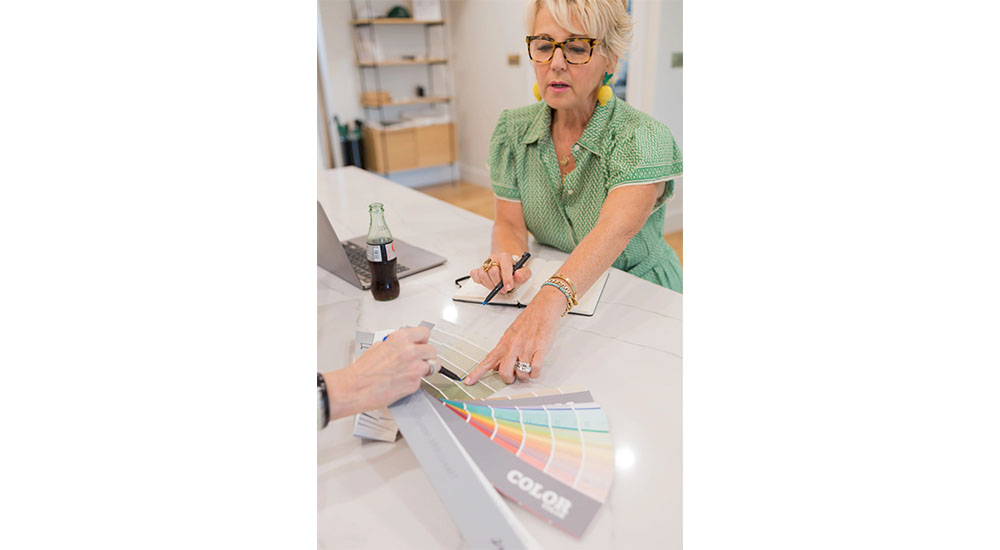
Photo: Sea Star Arts Photography
What should come first instead?
1. Furniture & Key Pieces
Large pieces – sofas, case goods and dining tables carry the most visual weight. Their scale, color and material should guide wall color, not the other way around.
2. Art, Rugs & Textiles
Art and rugs generally contain multiple colors which help tie the room’s color scheme together.
3. Fixed Finishes
Cabinetry, flooring, tile, stone and countertops are much harder (and more expensive) to change. Paint color should be picked to complement these finishes and not compete with them.
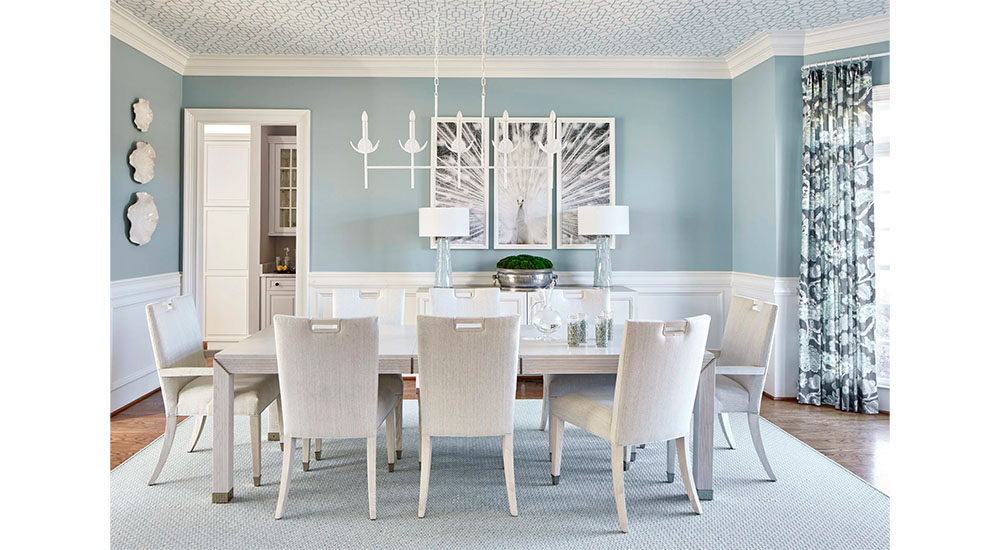
Photo: Lauren Rubinstein Photography
How Designers Actually Choose Paint
Professionally, paint is chosen after the design direction is clear. We look at:
Undertones in fabrics and finishes
Light levels at different times of day
The mood we’re trying to create – calm, spacious, elegant or cozy, just to name a few. Once we know the vibe, we can choose the right colors that work in the room.
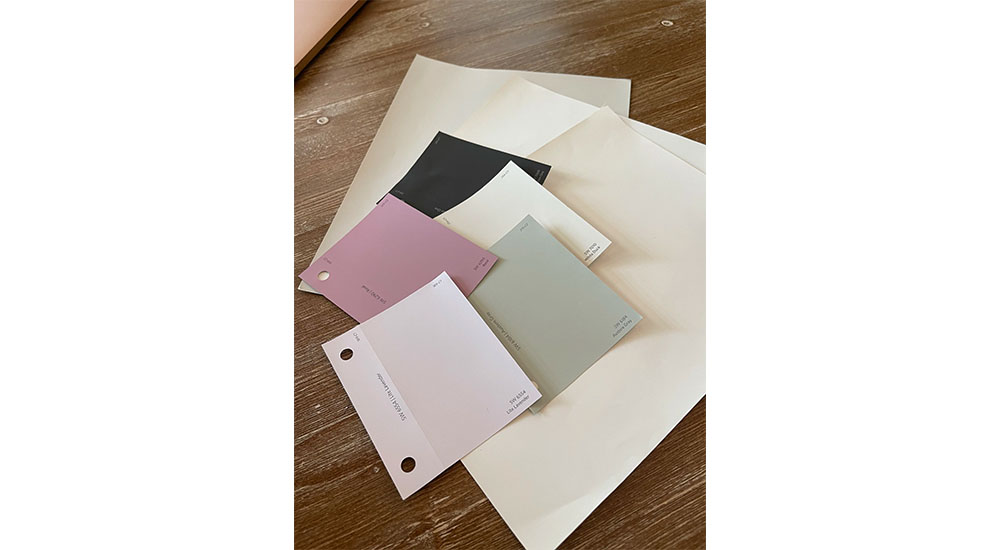
The Takeaway
When you start with the right pieces, finishes and layout, paint becomes easy. When you start with paint, everything else becomes harder.
If you’re feeling stuck choosing a color, it may be a sign that the room needs a clearer overall plan, not more paint samples.
—Joann Kandrac is co-founder of Kandrac & Kole Interior Design, which has offices in Atlanta and Charleston, S.C.