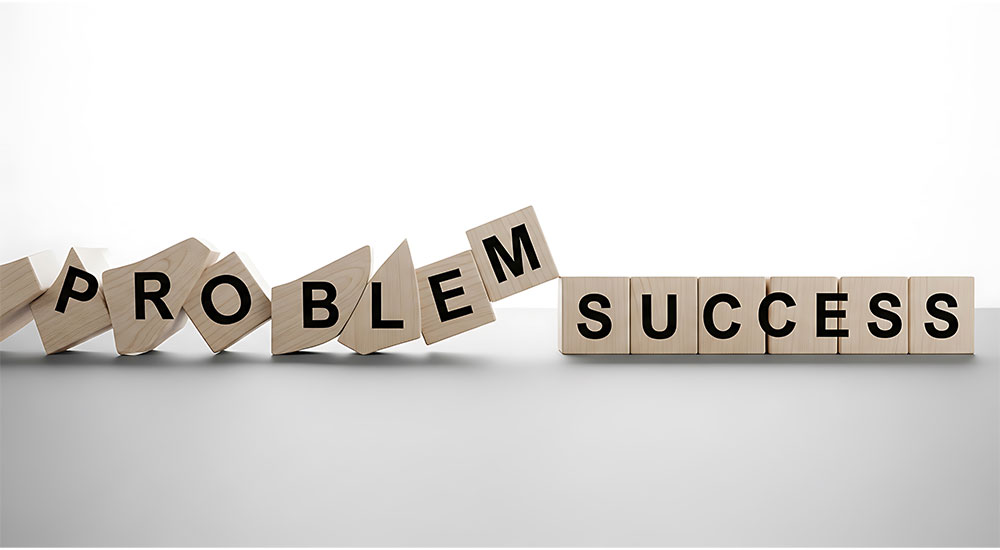
Residential design and construction pros share the challenges they overcame and lessons they learned in 2025.
Bob Bakes, Head of Design, Bakes & Kropp, New York
As a leader of a luxury brand, I am always looking for ways to strengthen our approach to the business and refine our roles within it. This year, that commitment led our owners and directors to adopt the Entrepreneurial Operating System. Beyond its emphasis on method analysis and execution, EOS has been a true eye-opener for our team, greatly enhancing communication, sharpening our internal structure, clarifying individual roles and improving delegation, responsibility and accountability. I believe the EOS framework provides a clear path toward building a successful and truly healthy business.

Photo credit: Lindsey King Photography

Kerrie Kelly, CEO & Creative Director, Kerrie Kelly Studio, NKBA 2026 National Board Chair, Sacramento, Calif.
Our biggest challenge this year was orchestrating multi-brand spaces where dozens of products – and teams – had to sing in harmony. Early on, timelines tugged and priorities competed. The turning point was embracing a ‘better together’ model that celebrated shared briefs, cross-brand decision sprints and a clear ‘get-the-look’ roadmap so designers could specify from a cohesive suite. The lesson is when you invite partners to co-author the story, you gain new audiences, deeper expertise, stronger press and social and, most importantly, deep new friendships and a better design result for everyone. Clarity, empathy and co-creation turned complexity into momentum.
Gala Magriñá, Designer & Principal, Gala Magriñá Design, Westchester County, N.Y.
At the start of the year, we were hitting a ceiling in terms of project size and budget. I decided to work with creative business coach Sean Low, who really kicked my ass and challenged me to assert and prove our worth as a design firm, which can be pretty scary. In hindsight, I realize it’s exactly what was needed to level up. It was an eye-opening reminder that to get stronger results and evolve, you need to take a different approach.
Jeremy A. Jones, ASID Allied, Owner & Principal Designer, Jones Design Associates, Atlanta
We’ve always been good at coming up with creative solutions to achieve the look for less, but the tariffs mean we’ve spent too many hours reselecting materials to get projects on budget. Sometimes we’re cutting back on our use of porcelain and leaning more on natural stone, stone remnants and quartz. We want to push the boundaries of design in all projects, but we’re also a business with slim margins and ever-increasing costs. We need to underspend from the start whenever possible, with the expectation that by the time our selections are purchased or go into fabrication, they’re likely going to be on budget instead of over budget. This allows us to still be profitable and keeps clients happy.
Cyndy Cantley, CKD, Principal Interior Design, Cantley & Co. Inc., Birmingham, Ala.
For more than 30 years, I have joked that my interior design degree prepared me to create beautiful kitchens but not how to manage a spreadsheet. These past few years, with its industry wide curveballs reinforced why our company has continued to thrive. I learned to surround myself with people whose strengths complement my own, to ask questions without hesitation and to stay endlessly curious. Design remains the part of the business I love the most, but the willingness to learn (and laugh at myself) has been just as essential, especially in a field as dynamic and demanding as kitchen design.
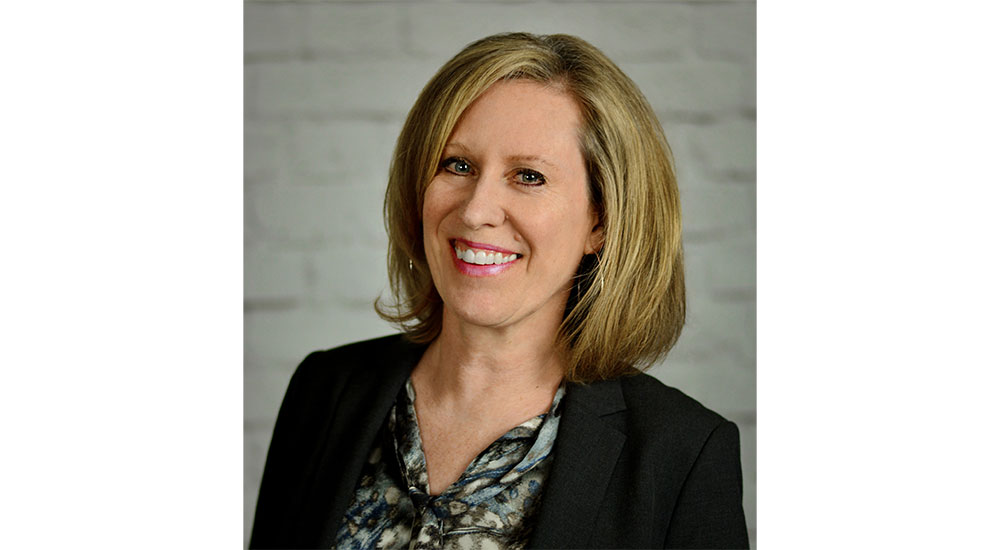
Photo credit: Diana Mosher Associates
Diana Mosher, Principal Designer, Diana Mosher Associates, New York
I prefer to work on a flat fee per project rather than hourly, so I am used to crafting a personalized and detailed proposal for every prospect. This year, I realized the client might not actually read every bullet point in the agreement or truly understand the scope of work. After a misunderstanding, which turned into an excellent growth experience, I will now include 3D renderings in the flat fee. I won’t skip the voice-to-voice kick-off meeting, and we will start the project with a recap of the items to which we have agreed. I’m excited to kick off 2026 with a buttoned-up process that can be applied to any project.
Diana Wagenbach, Founder & Principal Designer, Studio W Interiors, Chicago
This year’s biggest lesson was the importance of formally honing our design process. We put pen to paper and created a detailed, start-to-finish framework that outlines not only what we currently deliver but also what we should be doing to work more efficiently and deliver the best results. Documenting every phase in detail allowed us to see where our strengths were, where we could streamline and how much time each step truly requires. It brought clarity to the studio, created better alignment with clients and gave us a more accurate understanding of the time and resources involved in taking on projects.
Tyler Swartzmiller, CEO & Principal Designer, Haus Studio Designs, Columbus, Ohio
I learned one of the hardest lessons for any hands-on business owner: staying in my lane. I’m an interior designer by training, yet I own a design-build firm, which means I’m constantly fighting the urge to grab a hammer or rewrite a scope of work. When I stop trying to be the designer, the builder and the project manager, the process becomes smoother, the results are stronger, and I’m no longer unintentionally causing chaos with my well-meaning involvement. At the end of the day, leadership isn’t about doing everything; it’s about creating an environment where the right people can shine.
Lori Miller, Melville, Owner of LGC Interior Design, Melville, N.Y.
With a growth of projects and a plethora of new materials, our hopes were high as we started 2024. Unfortunately, our excitement was dampened by the lack of dependable and design-worthy contractors. Painters appeared to be scattered, non-conforming to time frames and sloppy. One even managed to paint my entire backyard, including the new Verizon router and cable box, a lovely shade of fuchsia that was supposed to be only for my kitchen cabinets. With a shortage of good people, it took us several months to find one we feel comfortable referring.
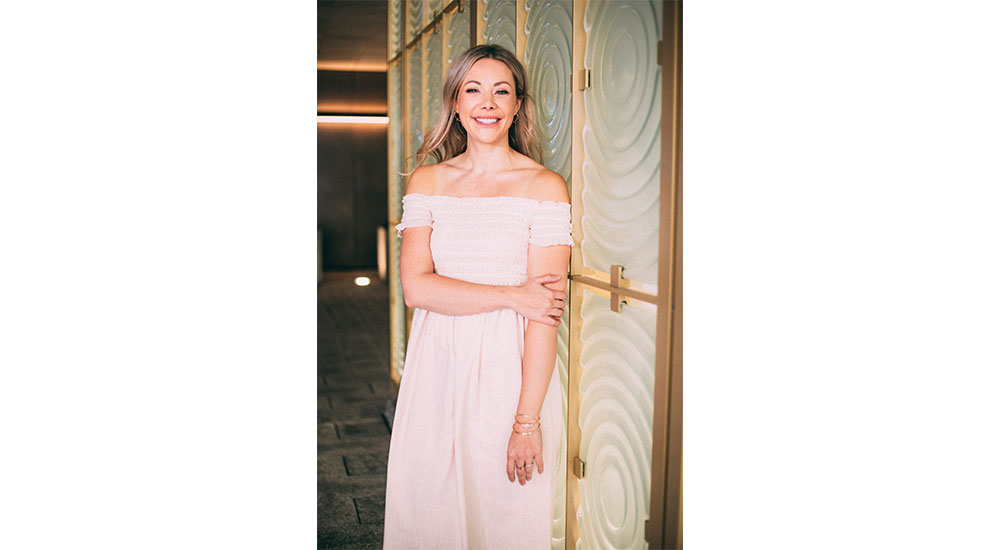
Photo credit: Chantal Routhier
Victoria Armour, Co-Founder, Stil James, Halifax, Nova Scotia
One of our biggest challenges this year was realizing our original team structure wasn’t keeping up with the business anymore. Going forward, all new hires will be employees. What it taught us: Direct, honest communication saves everyone a lot of stress. And thinking ahead really matters; it’s easy to build something when you’re small and scrappy, but unwinding it later is a whole different process. Balancing culture and financial health is always a bit of a dance. Working through this made our business stronger and ultimately brought our core team even closer.
Julie Schuster, CLIPP, Owner & Principal Designer, Julie Schuster Design Studio, New York
One of the big goals I set for myself this year was to pursue higher-level certification in my industry. As I started working through the materials, though, I ran into a lot of inconsistencies and almost gave up in frustration. Instead, I reached back out to the program administrators, who were incredibly open and grateful for my feedback and are now making updates based on my suggestions. Instead of feeling like a failure at my selected task, I am now validated as a professional who is interested in improving the experience for others.
Julee Ireland, Founder of Julee Ireland Design Studio & Home Renovation School, Santa Monica, Calif.
I’m running several companies under one brand, and each one needs intentional time and leadership. I had to step fully into the role of brand CEO; instead of just thinking like one, I had to start operating like one. That meant bringing on a PR and branding firm, expanding my design assistance and surrounding myself with people whose strengths and expertise elevate the work and help carry my vision, values and standards forward. I learned that real growth requires faith first: saying yes while letting go of fear, delegating and taking risks.
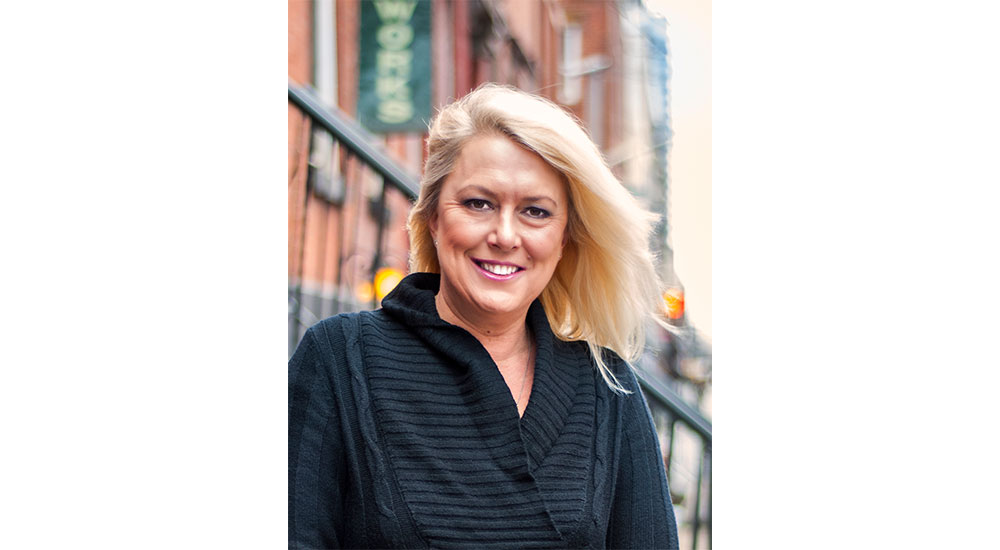
Photo credit: Audrey Tiernan
Toni Sabatino, Owner & Principal Designer, Toni Sabatino Style, New York
I recently redesigned a bathroom for a couple I’d worked with years ago, and the experience reminded me how meaningful design can be. They had moved to a ranch home to simplify life, and the husband’s illness required greater accessibility. My Living in Place and CEC training allowed me to create a kitchen and bathroom that support ease, safety and dignity – from wider entries to thoughtful storage and a roll-in shower. Watching their resilience and gratitude moved me deeply. This project reaffirmed my belief that design truly improves how people live and is one of my most meaningful ones.
Lisa Kahn, Owner of Finding Sanctuary by Lisa Kahn, Naples, Fla.
One of our biggest challenges was feeling overwhelmed by the sheer volume of projects we were managing. To regain clarity, we began using Kanban board to track every task, keeping all details organized in one place. This has freed our minds from the worry of missing deadlines and has allowed us to ensure tasks get completed. We also implemented quick daily team meetings top openly communicate where need support. By creating this structure and dedicating time to review our workflow, we’ve been able to carve out mental space to engage more deeply with our designs and focus intentionally on crafting sanctuary within every project.
Gregory Socha, Owner & Principal Designer of Gregory Socha Design, Chicago
As a new designer with a new interior design business, my biggest struggle so far has been getting introductions to potential clients. At this stage of my new career, I realize it can’t only be just a numbers game. However, it is true that the more hands I shake, the more opportunities there are to choose who I would like to work with. Anyone from my past is a potential referral source – even if that person is in a completely unrelated field and even if it has been years since we’ve spoken. You never know, and if you don’t ask, you don’t get.