
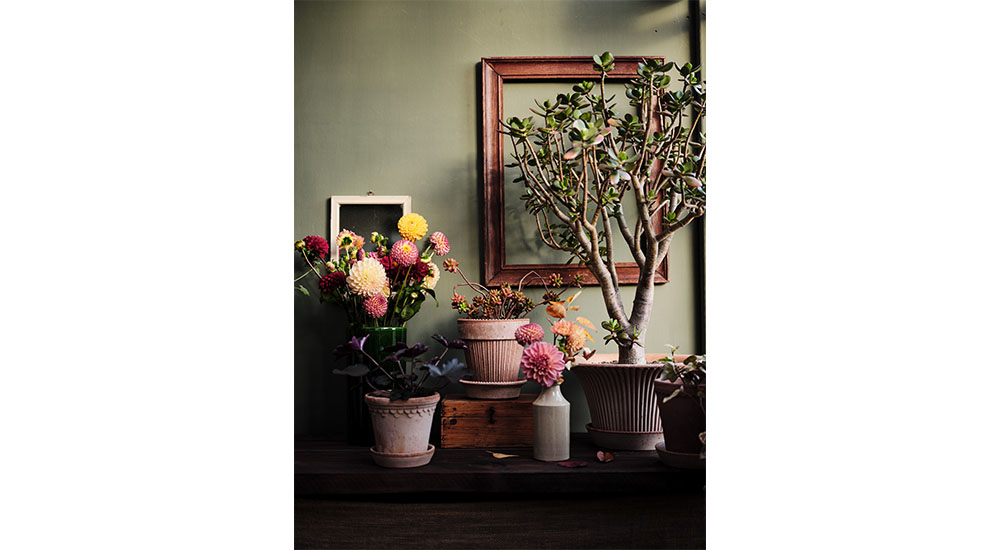
What is houseplant maximalism?
To me, houseplant maximalism is the ultimate expression of lushness in the home. It’s where plants hold the same significance as art and design, and where each plant is carefully selected to fit the interior, even as they grow in layers and create density. It creates an informal and calming atmosphere, even in a room filled with plants. It is a space where both the eyes and the emotions are free to explore. The plants bring movement, depth and life, so the overall experience feels like a curated, living installation.
What are the best plants for houseplant maximalism?
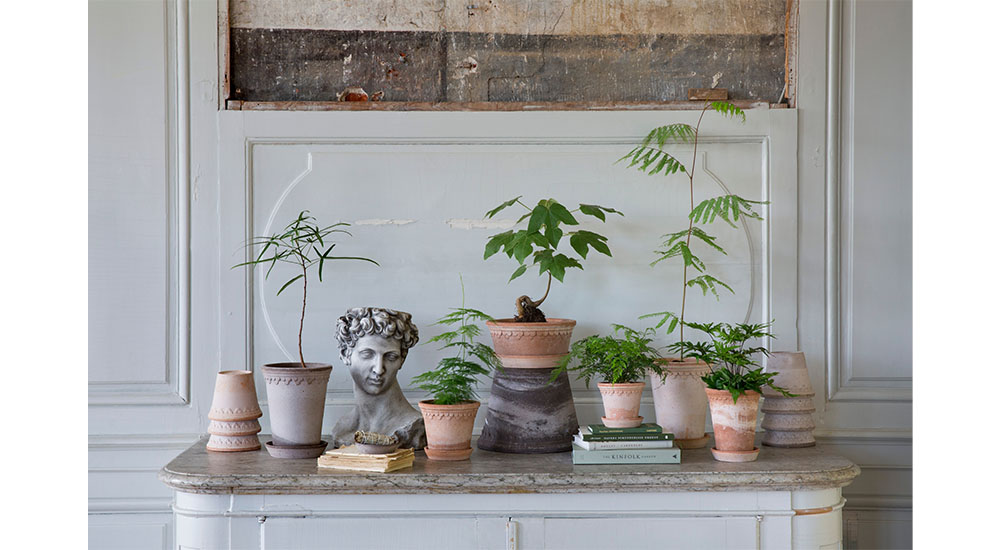
Photo: Bergs Potter
The best plants are highly individual and depend on the room and its natural light. For me, it’s all about balance.
I like to work with large, green foliage plants – such as Monstera or fig trees – that capture the light and create volume. At the same time, I incorporate climbing plants like Epipremnum or Philodendron, which can move upward along walls or cascade over edges, as well as dense ferns that add fullness and texture to the middle layers.
Succulents are excellent for covering low and flat surfaces. One of the most interesting approaches, in my opinion, is using plants to decorate other plants. For example, placing succulents as ground cover in pots with larger trees. It creates a more natural, layered look, almost like a small ecosystem.

The key is variation in height, leaf shape, and texture – that’s what creates the dynamism of maximalism.
How do you style an indoor garden for houseplant maximalism?
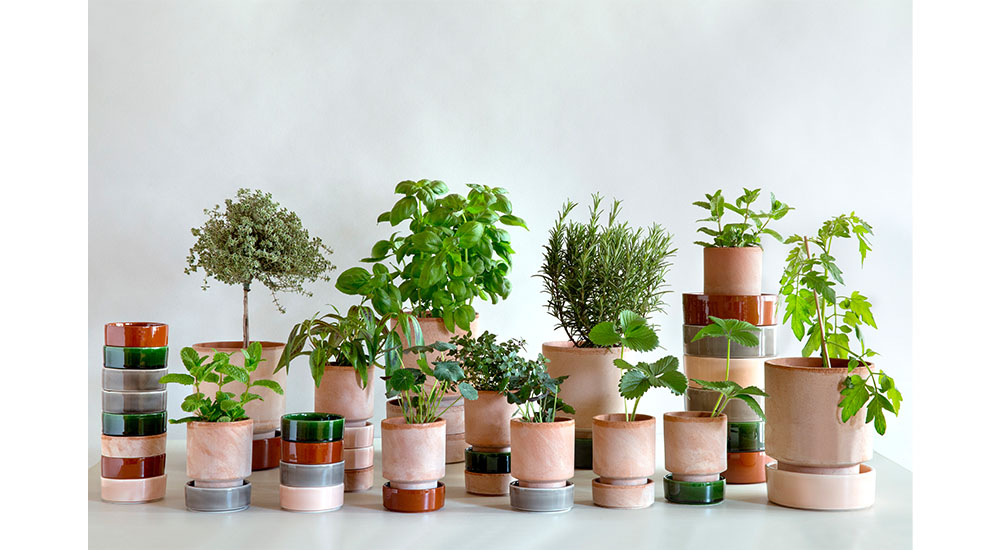
Photo: Bergs Potter
When styling a space, I always begin with the light. It’s essential both aesthetically and practically. Larger plants and trees are placed close to windows, ensuring they receive enough light while also acting as visual anchors in the room.
From there, I work in layers. I build gradually, both vertically and horizontally, slowly filling the space with smaller plants around the larger ones.
A useful tip is that plants with different light requirements can absolutely coexist in the same room. Plants that need more sun can naturally create shade for those that prefer indirect light. This allows you to work strategically with placement.
I also prioritize bringing plants upward, especially in areas where the eye would not naturally look. Placing plants in corners, above door frames or on high shelves encourages the gaze to travel around the room.
For me, houseplant maximalism is about creating a living universe. Not a cluttered room, but a deliberate, layered and sensory environment.
How can you achieve houseplant maximalism in the kitchen – a very busy spot in the home?
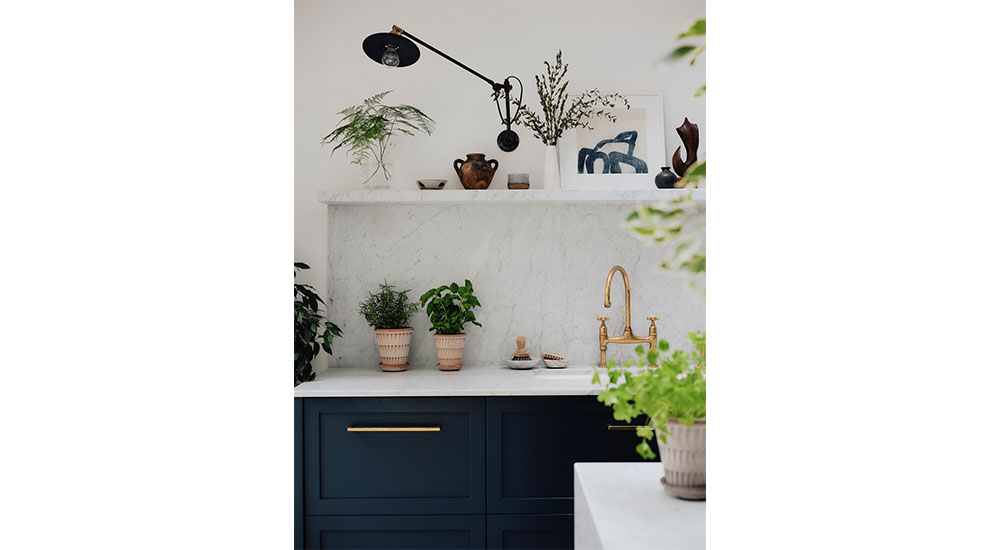
Photo: Bergs Potter
The most effective way is to work vertically. It’s important to keep the kitchen countertop as clear as possible – both to make cleaning easier and to maintain a clear overview while cooking. At the same time, herbs should always be within reach. I recommend making use of surfaces that would otherwise go unused. A windowsill is perfect for sprouting small seed experiments, while the tops of cabinets and shelves are ideal for climbing plants. One approach I’m particularly fond of is installing slim shelves within the window frame. This creates space for more plants and produces a beautiful effect as light filters through the leaves.
What strategy do you recommend for bathrooms, where the spa vibe and design for wellness is de rigueur?
Here, it’s about choosing plants that thrive in a tropical, humid environment. I always ensure there is at least one larger plant or small tree that acts as the room’s “altar” – a visual and green focal point. In addition, hanging plants are ideal for creating layers and depth. If you’re fortunate enough to have a bathtub, I would suggest creating a full oasis around it – with plants both elevated and grounded. The dream of being surrounded by a small indoor jungle is, for me, the ultimate goal.
Why is biophilic design important in the kitchen and bath spaces?
Because these are two of the most essential spaces in the home. The kitchen is where we gather and nourish ourselves – it’s where we take in what sustains us. The bathroom is a place of cleansing, and for many, also a space for reflection and calm after a long day. A healthy body and a sense of physical clarity are fundamental to our wellbeing. By surrounding ourselves with plants in these spaces, we support both our wellbeing and our connection to nature.
Which products and materials work best in the kitchen and bath? Why?
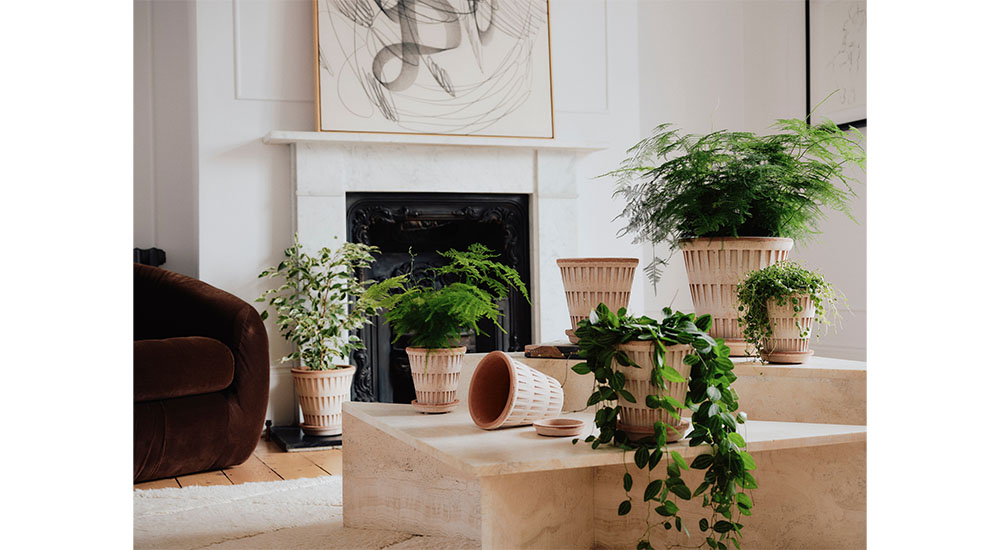
Photo: Bergs Potter
In the kitchen, I would primarily recommend glazed pots. They retain moisture more effectively, which is essential for herbs, and their smooth surface is easier to clean and feels more hygienic overall. In the bathroom, I would choose raw terracotta. Its warm, natural and porous surface complements the humid environment, as the material can absorb moisture from the air and help keep the soil gently hydrated.
—Christian Richard Andersen is chief product officer at Bergs Potter