Functional cabinet hardware can make or break a kitchen or bath project if it does not make the contents inside easily accessible or doesn’t provide certain conveniences for the user. Additionally, decorative hardware can be the icing on the cake in a kitchen or bath remodel or new build in a big, bold way or as a more modest choice.
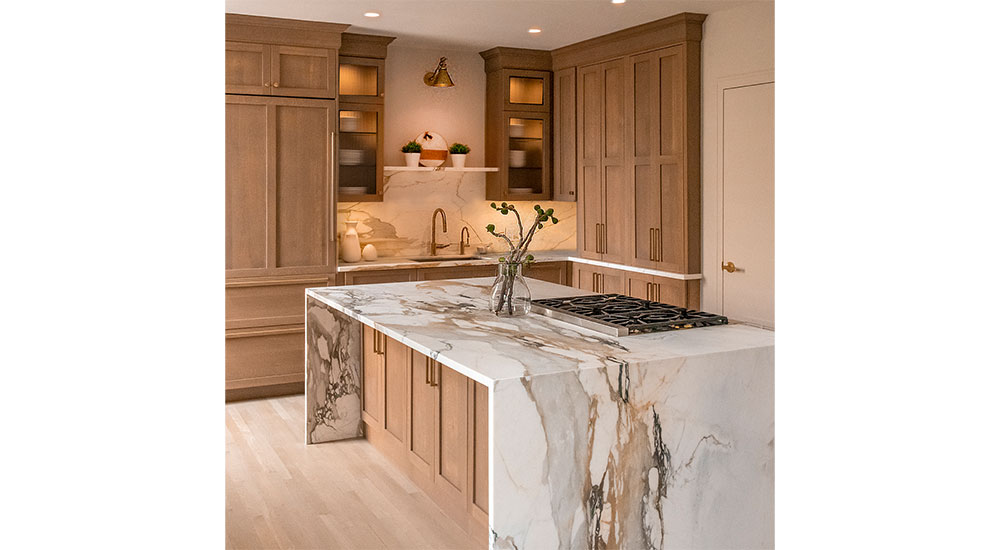
Above photo: Rose Ott designed this kitchen with Top Knobs hardware in a rich, Honey Bronze finish. Petite, elegant knobs line the upper glass-front cabinets to maintain a light, airy display, while tailored linear pulls anchor the lower cabinetry, drawers and integrated appliance panels for a seamless finish.
Photo credit: Carl Norr
In our recent survey on both kinds of cabinetry hardware, we delved into mixing materials, preferred materials and styles, go-to brands, most important things to consider when making the final choices, various hardware options and new innovations.
Look & Feel
In terms of decorative hardware, a little more than half of our respondents say they specify one material in their residential projects rather than mixing them. A little less than half prefer to choose more than one material. Factors include the type of project, room and style.

“I tend to mix hardware only when there’s a real reason for it: a standout island, a furniture-like hutch or a significant aesthetic shift within the same space,” said Nick Vanderhovel, CMKBD, owner of Detroit-based Dream Kitchens. “Otherwise, I prefer to keep the cabinet hardware consistent and introduce a mix of finishes through the other fixtures and materials in the room. For me, mixing hardware should help tell the design story, not just add another finish for the sake of variety.”
Almost 50% of design professionals make more minimalist decorative hardware choices when it comes to their projects, and just about 30% said they like to bolder. The consensus was to opt for selections that accentuate a theme rather than steal the show, and a lot of respondents prefer a mix of both – especially in powder rooms and closets.
Rose Ott, owner of Rose Ott Design in Long Beach, N.Y., says she chooses more mainstream hardware choices in kitchens and goes with more out-of-the-box selections for butler’s pantries and custom furniture.
Material & Style
Nickel was the preferred finish for decorative cabinet hardware, with brass coming in at a close second. Less popular but still specified finishes include chrome, enamel/powder coat, iron, glass, wood, leather, stone, acrylic, ceramic, bronze, copper, stainless steel and matte black.
“Acrylic can be beautiful, but there are relatively few options I’m comfortable specifying on integrated refrigeration because of the amount of pulling force those handles can endure,” said Vanderhovel. “I often specify leather in closets and offices where there’s less concern about wear or damage over time. I love an unexpected material, but I want to make sure it’s being used somewhere it can remain beautiful.”
When asked about unconventional decorative hardware styles incorporated into their kitchen and bath projects over the last year, our respondents said they have used hardware with backplates, antique looks and catches/latches. Other alternative styles include hardware that blends in with the cabinets, shelf rails, fingerprint-resistant choices, tab pulls on frameless cabinets, finger pulls and handles of differing sizes.
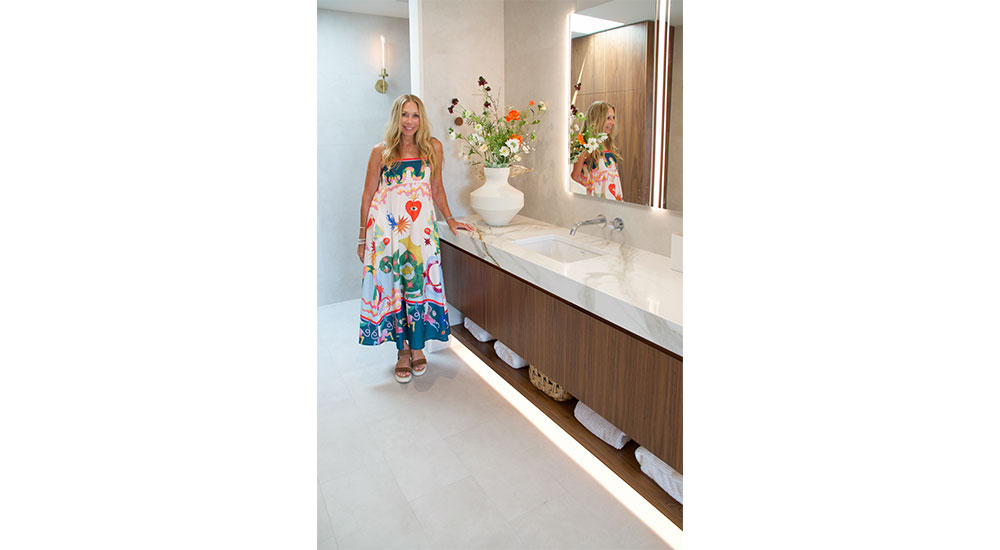
To maintain the sleek, architectural lines of this floating walnut vanity, Ott eliminated traditional hardware in favor of Blum’s touch-latch mechanism. Operating on a simple push-to-open system, a gentle press on the cabinet front springs the spring-loaded latch, releasing the door smoothly without the need for visible pulls or knobs. The result is a clean, uninterrupted wood-grain surface that lets the natural beauty of the materials take center stage. Photo credit: Frankie Ott
Factors & Phases
Aesthetics was the most important thing to consider when choosing the cabinet hardware for projects, with function and ergonomics taking second and third place. Some respondents said all are equally imperative and one touted function and ergonomics as important for accessibility needs, with aesthetics to follow.
Ott says all three factors are equally important when choosing cabinet hardware, and aesthetics is number one for Vanderhovel.
“I’ll even specify hardware in atypical locations to create symmetry or strengthen the overall composition,” he added. “Hardware isn’t always just something you interact with, it can be an important part of the architecture of the cabinetry.”
Most design professionals specify the functional hardware at the beginning of their kitchen and bath projects; for decorative hardware, 50.8% said they choose it in the middle.
“There are so many details to work out when designing a kitchen and bath, so we like to lock down the design first – perhaps with a hint of what we see for the hardware,” said Ott. “I would say we really decide on the hardware in the middle phase.”
Vanderhovel makes his hardware selections at the beginning of a project because he already has an idea of the finish and specific pieces he wants to incorporate.
“I’ve found that presenting a complete idea helps reduce unnecessary revisions because clients aren’t being asked to make individual decisions in isolation,” he added. “It’s much easier for someone to say ‘yes’ when they can see how everything relates together. Hardware may be a relatively small detail, but it can have a significant impact on whether the overall concept feels complete.”
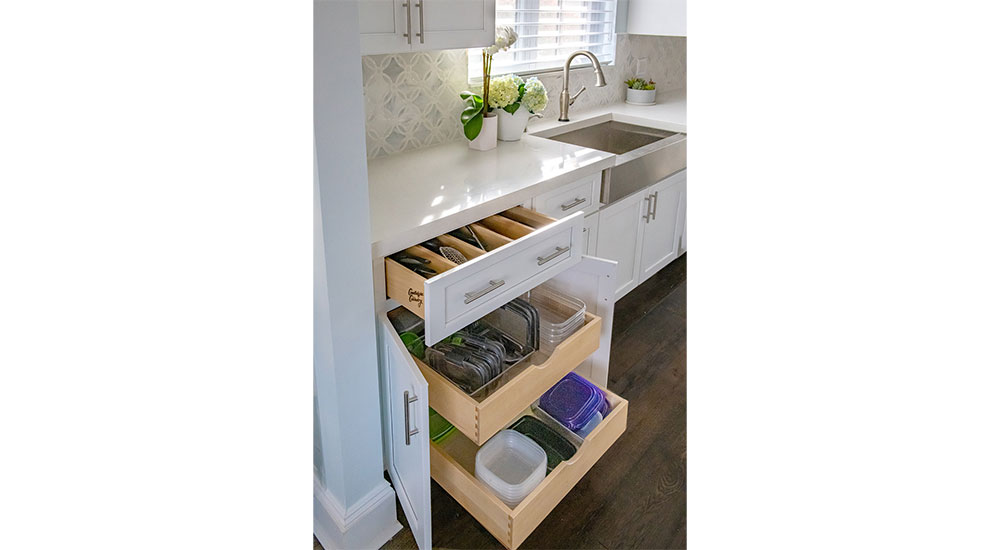
In this kitchen project by Rose Ott, she specified Blum full-extension, smooth-gliding hardware for the rollout drawers. They drawers pull out completely so food containers, cookware and utensil dividers are right at one’s fingertips. Photo credit: Carl Norr
Form & Purpose
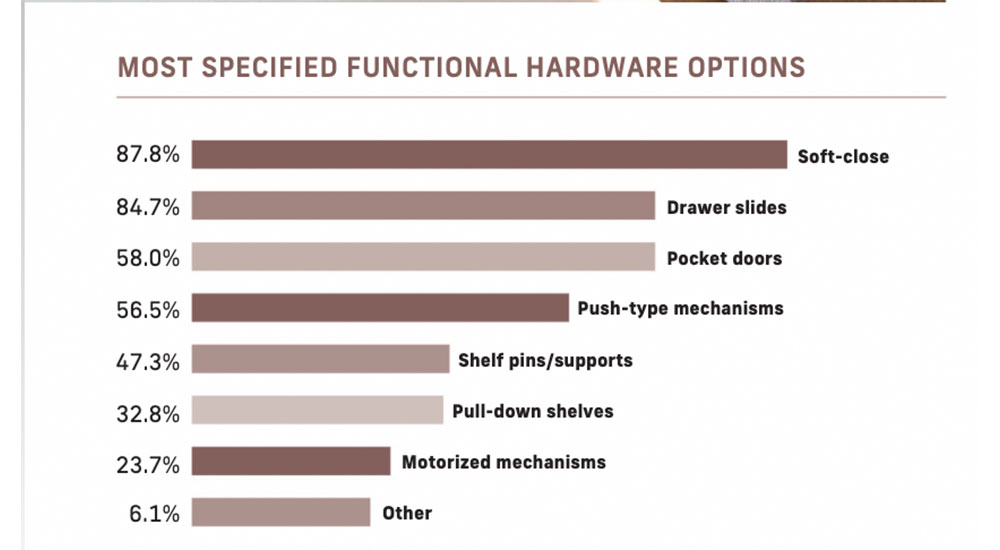
The most popular functional hardware options in today’s cabinets are soft-close and drawer slides. Pocket doors, push-type mechanisms, shelf pins/supports, pull-down shelves and motorized options round out the list. Write-in answers included spice dividers, Murphy doors, blind pullouts for trash, peg drawers and tray dividers. Almost half of our respondents said they have specified functional hardware that allows shelving units to spin or rotate in their recent kitchen and bath projects.
Ott specifies full-extension hardware for rollouts and trash pullouts, soft-close doors and drawers, touch latches, lazy Susans, glides, concealed hinges and full-extension pantry column pullouts.
Brand Preference
When asked if our respondents have a go-to hardware brand, the answers were varied. One said it depends on if one brand has all the hardware choices they need, and a few said they revisit brands and shop around. Others base their choices on price and customer preference, and some said the functional hardware us often factory installed in the cabinets.
Vanderhovel shops around around because he’s drawn to unique finishes. He’s always searching for smaller or less familiar manufacturers.
“Hardware is such an easy place to introduce something unexpected, and I’d rather find a piece that feels specific to the project than default to the same collection every time,” he added.
Innovation in Hardware
Whether it was discovered at KBIS 2026 or another industry event, advancements in decorative and functional hardware were prevalent. In terms of new styles, our respondents saw more nature-inspired looks, lost wax methods, cup pulls, quartz materials, fluid shapes and multiple knobs on one drawer. For more functional innovations, pull-down shelving, slide-through drawers, Murphy doors, tables in drawers, concealed lazy Susans, tracks that allow doors and panels to slide and catch-latch hardware that holds doors and panels open were noted.
“I believe the best hardware innovation is the one that quietly makes life easier every day,” said one respondent. “Charging drawers are a must for keeping countertops free of cords. The pull-out corner solutions continue to become more sophisticated, and appliance cabinets now disappear effortlessly allowing them to be hidden when not in use.”
Vanderhovel had been discovering more hardware via outlets he would not traditionally look, like smaller manufacturers and international brands.
I’ve loved the variety that has opened up,” he added. “There’s a whole world of interesting hardware out there, you just have to be willing to go searching for it.”