From the resurgence of rich, restorative palettes to the rise of handcrafted, organic forms, Jessica Shaw, director of interior design at the award-winning NYC-based architecture and design firm The Turett Collaborative, shares her insights on the key interior design trends for 2026 and tips for thoughtfully integrating them into the home.
Jewel Tone Revival: Rich & Restorative Hues

Photo: Costas Picadas
What: Deep greens and jewel tones are back in a big way, and will define palettes in 2026. Muted pastels and soft neutrals have dominated the last few years, but now emeralds, sapphires, deep teals and rich burgundies are taking over. These hues, what Sherwin-Williams calls ‘Restorative Darks,’ evoke the calm, cozy feeling of a winter’s evening by the fire. They add depth and drama to a space while still feeling protective and nurturing, supporting a sense of hibernation and restoration.
Why: This trend is linked to both neuro-architecture and the renewed interest in Scandinavian design. Color psychology is playing a big role in how we design now. There’s also a broader cultural pull toward nature, Wabi Sabi and Nordic influences, and restorative design, which we’re seeing reflected in interiors across the country. Designers and homeowners are seeking spaces that feel calm, restorative and connected to nature. Jewel tones paired with natural textures and materials create rich, comforting interiors that align with this desire.
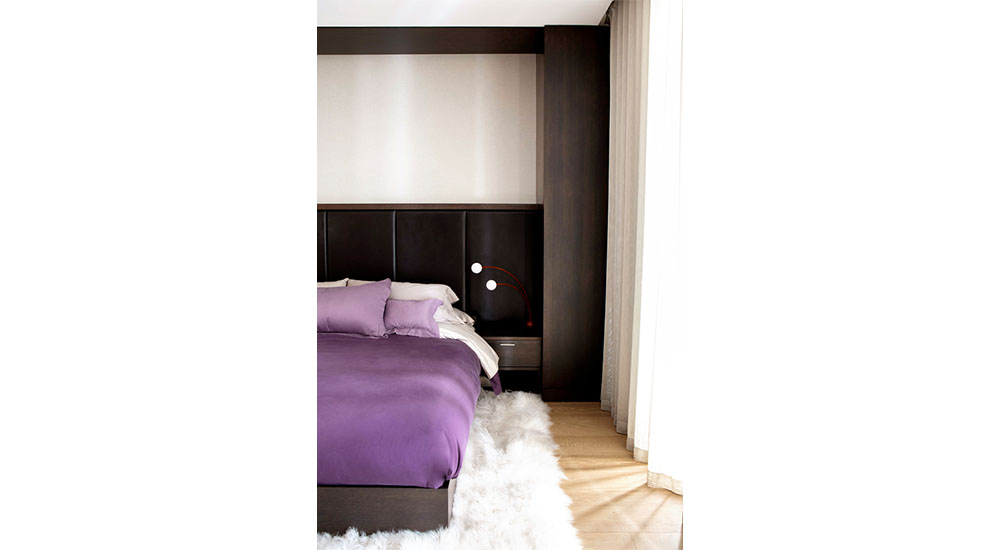
Photo: Costas Picadas
How: Start small. If you’re hesitant about deep colors, try incorporating them in smaller doses: a powder room, pillows or accent furniture and pieces. Layering textures helps too: velvets, matte finishes and natural woods can make jewel tones feel more approachable and grounded.

Tactile Luxury: Comfort-Infused Materials & Finishes

Photo: Costas Picadas
What: I’m seeing a return to comfort through rich, solid-colored fabrics with luster: mohair, velvets and suede-like textures. They’re calming and quiet, yet still carry a sense of luxury. These materials are typically used in solid colors, allowing their richness and depth to shine without relying on pattern.
Why: Designers and clients alike are embracing wellness as a guiding principle, thinking about the cognitive and sensory impact of their environments. We’re spending more time at home and want spaces that engage the senses and feel restorative and cozy. Everybody just needs comfort right now.
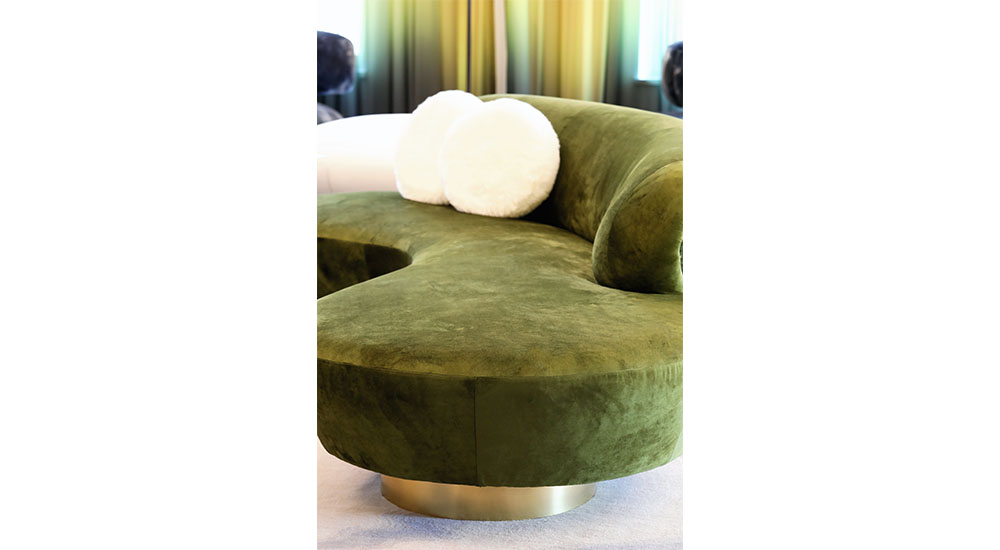
Photo: Costas Picadas
How: Layer different textures in a single palette: plaster walls, a velvet upholstered chair, brushed metal accents. Texture is what keeps a neutral room from feeling flat.
Stone Revival: Travertine & Beyond
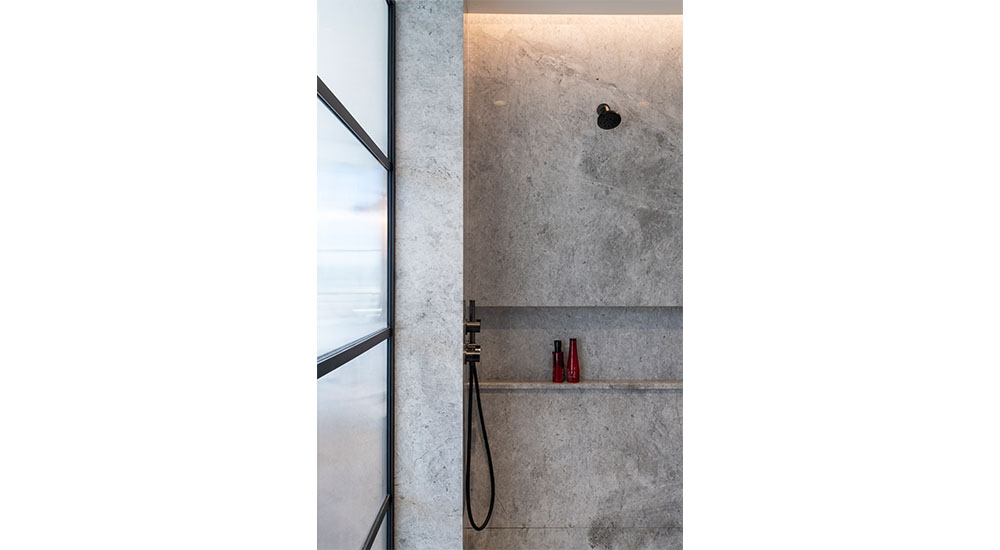
Photo: Adam Kane Macchia
What: Natural stone is continuing to have a huge moment. Travertine, limestone, quartzite and soapstone are everywhere and not just on countertops, but in integrated sinks, furniture and wall cladding.
Why: The enduring appeal of natural materials (stone, wood, linen and clay) speaks to our desire for authenticity and longevity. People are drawn to materials that have permanence and character. Stone tells a story and it feels enduring and authentic in a time when so much feels fleeting.
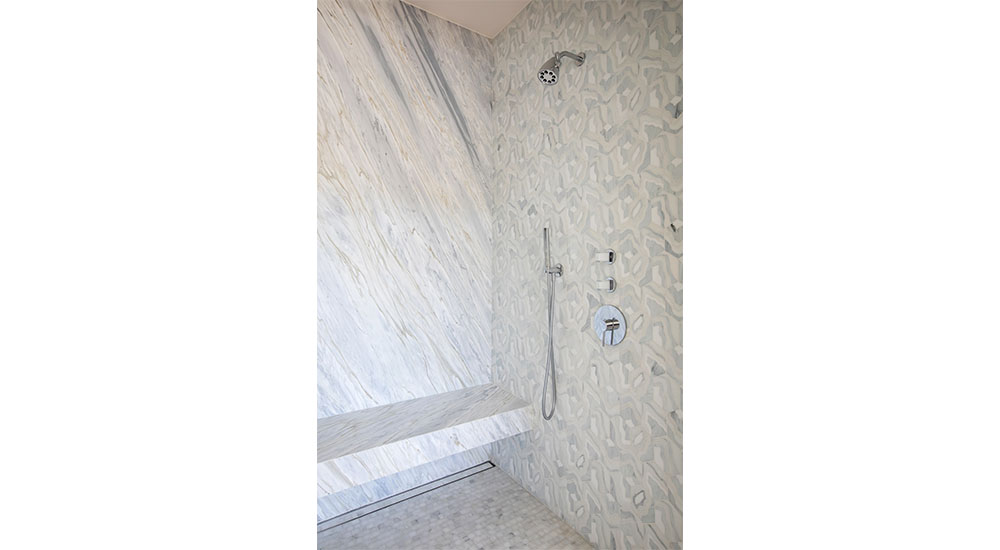
Photo: Costas Picadas
How: If a full slab installation isn’t in the budget, consider small-scale accents: a travertine side table or stone lamp base.
Beauty in Imperfection: Organic Forms & Handcrafted Design
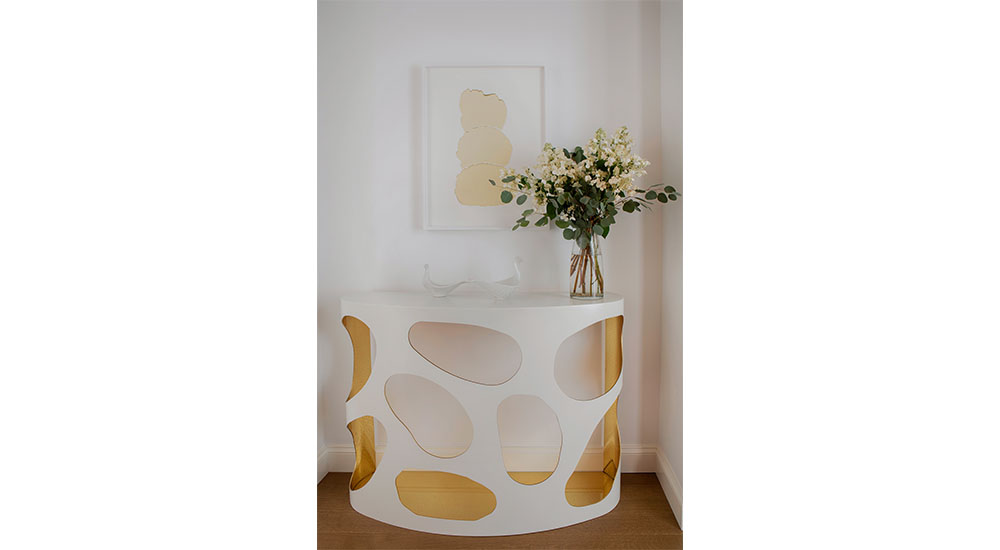
Photo: Costas Picadas
What: Lighting in particular is moving away from hard edges and shiny surfaces toward something softer and more sculptural. We’re seeing pendants and sconces that feel organic, inspired by Wabi Sabi principles and natural forms, rather than rigid geometry. Textured walls in neutral palettes, organic shapes in furniture and lighting and metal finishes that patina over time, like antique brass, are everywhere. People want their homes to evolve and age gracefully.
Why: This shift reflects a larger movement toward human-centric design. Curved silhouettes, warm materials and lighting that changes with the day all contribute to wellness and comfort. We’re getting more requests for custom, locally-made furniture that emphasizes sustainability and craftsmanship. There’s a growing appreciation for pieces that feel human and enduring. Fast furniture is out; mindful purchasing is in. Clients are craving authenticity. Wabi Sabi continues to inspire. Organic shapes, textured finishes and an appreciation for things that show the hand of the maker. It’s a beautiful counterpoint to the digital world we live in.
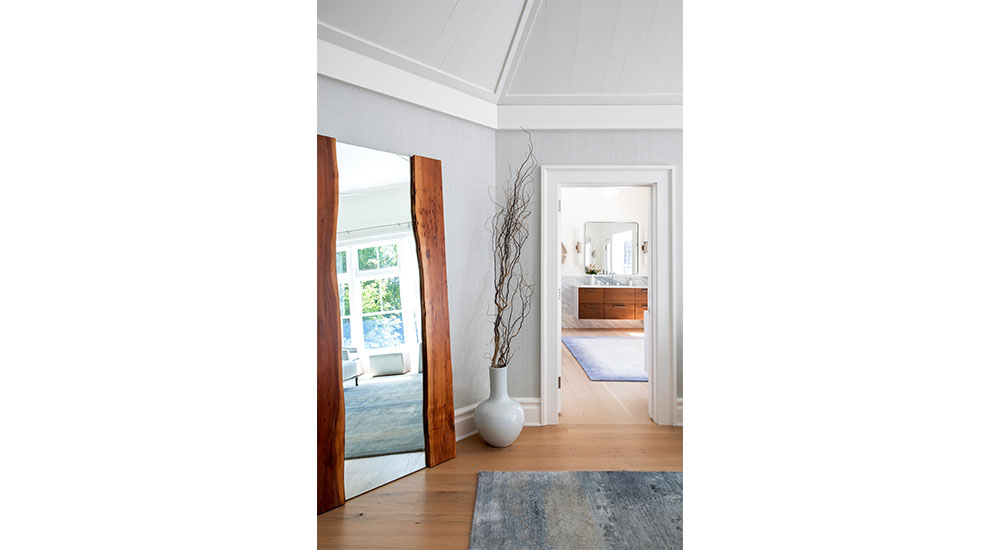
Photo: Costas Picadas
How: Choose fixtures in plaster, ceramic or frosted glass, and look for diffused light rather than direct beams.
Warm Minimalism: Layered Interiors & Deeply Personal Design
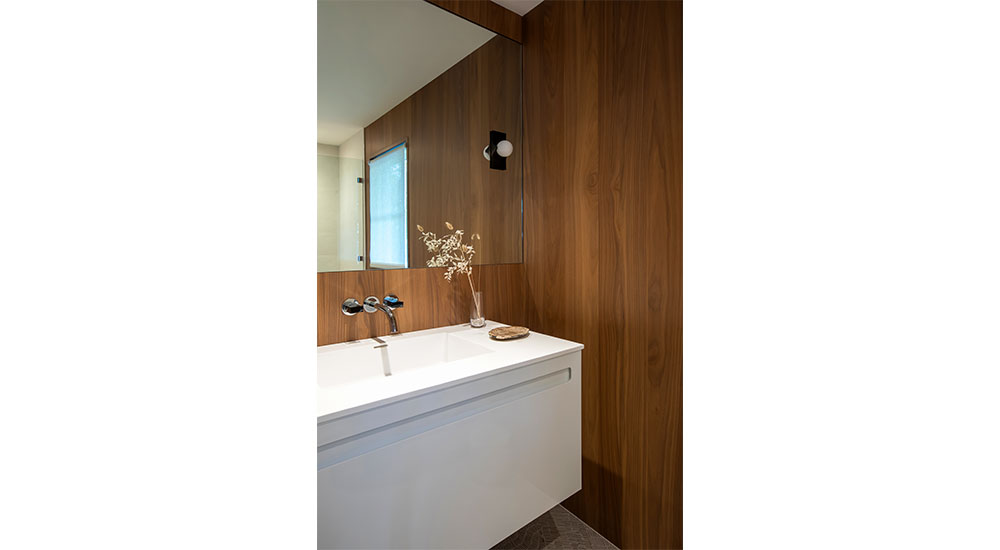
Photo: Costas Picadas
What: We’re seeing a real return to design with emotional depth, interiors that feel layered, tactile and deeply personal – embracing a balance between minimalism and maximalism, or what I like to call ‘warm minimalism’ or ‘midimilism.’ You don’t have to ascribe to one style or the other. Mixing the two brings out personality. Calm, curated, but never cold. It’s about clean lines, warm tones and just enough layers to make a space feel inviting.
Why: After years of either/or thinking, people are realizing they can have both. We want our homes to feel ordered but not sterile, comfortable but not cluttered.

Photo: Costas Picadas
How: Start with a neutral base, then add warmth through texture and tone. A few well-chosen pieces with personality go a long way. For a bolder starting point, color-drenching a room’s surfaces to create a cohesive interior landscape is another great way to personalize an interior space.
—Jessica Shaw is director of interior design at NYC-based architecture and design firm The Turett Collaborative