As we look toward 2027, it is more than just new products and styles that are shaping home design trends. Wellness design – how people live, what they value and how they want their homes to feel – is becoming increasingly important.
Wellness continues to be an overarching influence, but what wellness means in the home is evolving. The Global Wellness Institute reports that the global wellness real estate market reached $876 billion in 2025 and projects that it will surpass $1 trillion by 2027. Yet the conversation is expanding beyond air, water, lighting and healthy materials. These remain essential, but there is growing interest in understanding how our surroundings affect our brains, bodies and nervous systems, and how our homes support everyday life.
These five trends in wellness design offer kitchen and bath designers a closer look at these changing priorities.
1. The Analog Home: Making Room for Real Connection
A growing desire to disconnect from screens and reconnect on a more human level is bringing renewed interest in board games, puzzles and crafting. Michaels’ 2026 Creativity Trend Report recorded a 103% increase in searches for craft nights at home. Kitchen islands will increasingly become gathering places for hands-on analog activities, with comfortable seating for longer periods, adaptable surfaces and convenient storage. This reflects a shift toward multifunctional kitchens, where activities traditionally enjoyed in other rooms are becoming part of everyday kitchen life.

2. The Return of Imperfection: Materials That Tell a Story
Inspired in part by the Japanese philosophy of wabi-sabi, people are embracing materials with character rather than perfection. This philosophy reminds us that beauty exists in imperfection and the passage of time. Worn wood, natural stone, handmade tile and unlacquered finishes that develop a patina bring warmth and character to kitchens and bathrooms. These materials age naturally, becoming more beautiful as they tell the story of home.
3. Neurodecor: Decorating for How We Feel
What if design and décor began with a simple question: How do we want to feel in this room?
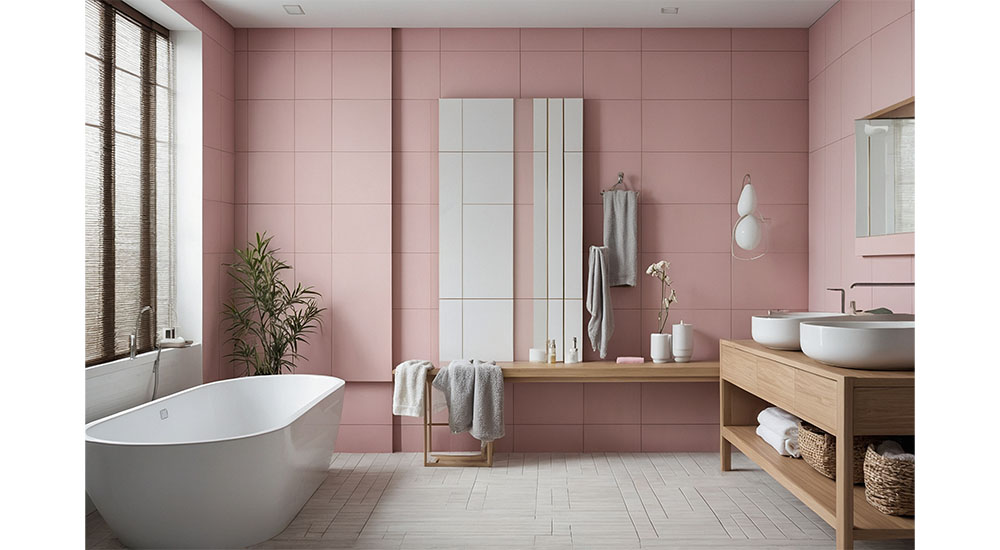
I call this neurodecor, an approach that applies neurodesign principles to color, texture, pattern, lighting and meaningful objects to support our sensory and emotional experience. Bathrooms can encourage restoration, while kitchens can foster energy and connection. Rather than prescribing a particular aesthetic, neurodecor considers how our surroundings affect the nervous system and how design can better support people who live there.
4. The Changing Food Economy: Rethinking How We Shop, Store and Eat
Busy lifestyles, smaller households and changing eating habits are reshaping how people shop for food. Some consumers are choosing smaller, more frequent purchases over bulk buying, a practice common in parts of Europe. FMI, the Food Industry Association, reports that 35% of U.S. shoppers are cooking more often, while 44% are enjoying more family meals at home. These changing habits are influencing kitchen design, with greater emphasis on flexible storage and appliance selection.
5. Cognitive Ease: Designing for Less Noise and More Pause
In a 2025 QuestionPro survey, 45% of U.S. respondents said their homes add to everyday chaos. Quieter appliances, intuitive storage, layered and adaptable lighting and less visual clutter can help kitchens and bathrooms feel easier to navigate and enjoy. It is not about minimalism, but about reducing unnecessary demands on attention and creating opportunities to pause.
As we move into 2027, these five trends in wellness design reflect changing lifestyles, values and expectations of home. Beyond beauty and function, we are seeking places that support well-being, encourage connection and make everyday life more meaningful. Ultimately, the future of home design is not simply about what we put into our homes, but how we experience living in them.
—Linda Kafka, neurodesigner, WELL AP, CAPS, founder of Neuro Design Academy