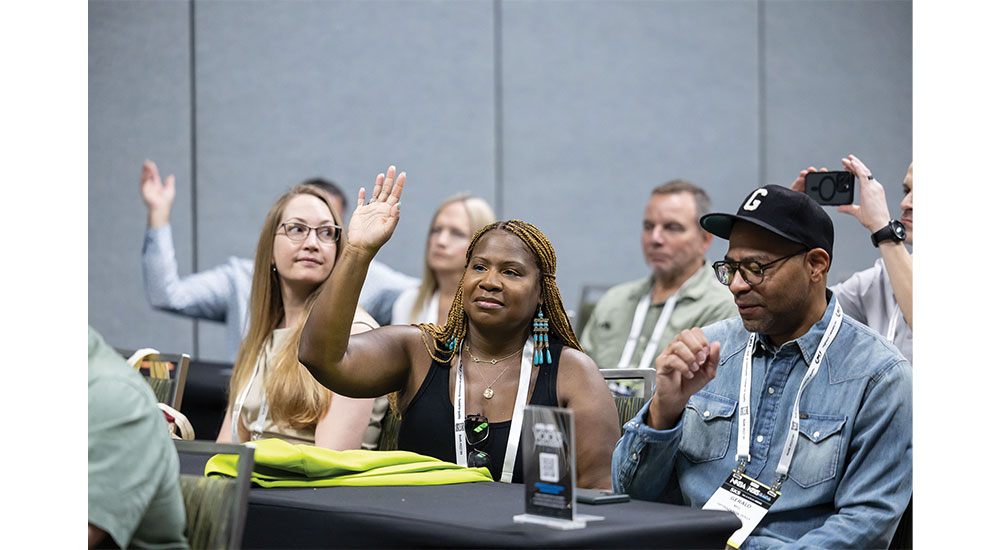
NKBA’s Voices From the Industry sessions offered sage advice on design for autistic clients, building a successful team and establishing fruitful designer/builder relationships.
Nurturing Collaboration: How Designers and Builders Can Meet Each Other’s Expectations
In this session, Jennifer Hutton, principal designer and creative director at Grau Design Studio, shared invaluable insights on fostering effective partnerships between designers and builders. Here are the key takeaways:
- Early Collaboration is Key. Hutton emphasized the importance of involving both designers and builders early in the project lifecycle. Pre-construction meetings allow teams to align on goals, timelines and responsibilities. Sharing architectural drawings, vision boards and design plans upfront ensures everyone is on the same page, reducing miscommunication and costly changes later.
- Clear Communication & Documentation. Transparent, bi-directional communication is critical throughout all project phases. Regular updates, site visits and progress reports help avoid surprises. Designers and builders should document decisions, responsibilities and changes in writing to maintain accountability and clarity.
- Respect for Expertise. Staying in your lane and trusting the other party’s skills fosters a collaborative environment. For example, builders should avoid making design changes without consulting the designer, and designers should provide detailed drawings and specifications to guide construction.
- Shared Values & Gratitude. Respect, fairness and humility are foundational to successful collaborations. Hutton encouraged teams to avoid blame, share responsibility for errors and celebrate successes together. Simple gestures like tagging collaborators on social media, writing thank-you notes or sharing referrals can strengthen professional relationships.
- Leveraging Technology. Project management software like Buildertrend can streamline communication, track progress and manage invoicing. CAD and rendering tools also help designers convey their vision clearly, reducing guesswork for builders and general contractors.
- Post-Construction Involvement. Even after project completion, staying involved in warranty claims and finalwalkthroughs ensures quality and client satisfaction. Hutton reminded attendees that projects are never truly “finished,” and maintaining relationships with clients and collaborators is vital.
By embracing these strategies, designers and builders can create a harmonious partnership, delivering well-crafted, beautiful spaces that exceed client expectations.
Home Sweet Home: Tailoring Spaces for Autism & Aging in Comfort
In her heartfelt and informative session Catherine Deutschlander, CKBD, owner and founder of CW Design PLLC,shared her expertise on designing spaces that cater to the unique needs of individuals with autism and aging adults. Drawing from personal experiences and professional insights, she emphasized the importance of creating functional, inclusive and comforting environments.

Empowering Through Design
Deutschlander highlighted the role of designers in empowering clients by combining education and experience. She shared a touching story about advocating for her mother’s needs after knee surgery, such as installing an ADA-compliant, comfort-height toilet, which underscored the importance of functional design in enhancing daily living. This advocacy extended to thoughtful features like balance bars (referred to as “grab bars” with a softer tone) and accessible furniture.
Designing for Aging
For aging adults, Deutschlander stressed the significance of non-slip flooring, easy-to-maintain surfaces and appliances like induction cooktops and raised dishwashers. These features address mobility challenges and safety concerns while maintaining aesthetic appeal. She also discussed the importance of lighting, recommending natural white tones for task areas and ambient lighting for toe kicks to enhance visibility and safety.
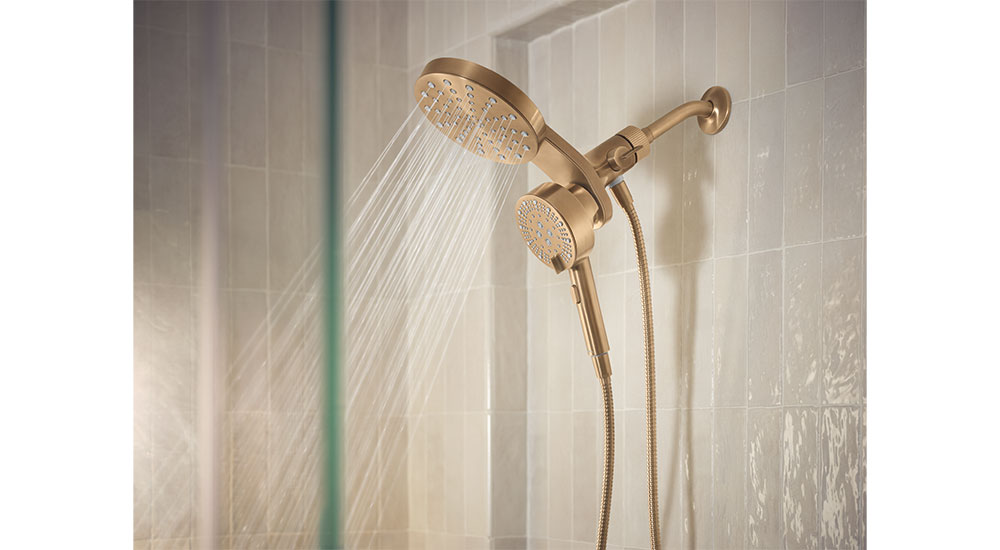
Moen’s Magnetix Plus 2-in-2 Showerhead features a pivoting arm that can adjust height and angle for a personalized sensory experience for all users, including those with autism or who are aging in place. Photo credit: Moen
Autism-Friendly Spaces
Deutschlander’s insights into autism-friendly design include sensory considerations, such as using calming colors, sound-absorbing materials and tactile finishes. Bathrooms designed for sensory needs include features like adjustable showerheads, small tiles for slip resistance and soothing lighting options. Bedrooms can be tailored to support better sleep, incorporating hypoallergenic materials, motion-sensor lighting and personalized spaces for emotional expression.
The Role of Technology
While technology can enhance functionality, Deutschlander cautioned against overcomplicating designs. She advocated for solutions tailored to the user, such as voice-activated controls, motion-sensor faucets and accessible storage solutions.The session was a powerful reminder that design is not just about aesthetics but about creating spaces that foster comfort, safety and empowerment. Whether for aging adults or individuals with autism, thoughtful design can transform homes into sanctuaries that meet diverse needs.
Perfect Partners: Building the Best Team to Deliver Remarkable Results
According to Andrew Risinger, CMKBD, co-owner of Kitchen, Bath & Home, you cannot achieve lasting business success entirely on your own. Whether you run a small firm or a large enterprise, reaching your goals requires a strong, united team. Building that team means prioritizing collaboration, setting clear expectations and aligning your values across every relationship you form. Here are the core strategies you can use to build a collaborative company, establish exceptional partnerships and deliver remarkable results for your clients.
Start by Aligning Your Internal Team
Great partnerships start from within. Different departments often speak different languages, which can cause frustrating misunderstandings. To bridge these gaps, you must recognize that everyone wears the same logo and works toward a collective goal.
Create a Shared Mission Statement
Write down a clear company mission statement. This gives your entire staff a shared vision and common language. When everyone understands the goal, they can work together in harmony instead of operating in isolated bubbles.
Understand Each Other’s Roles
Take time to walk a mile in your coworkers’ shoes. Ask questions to understand why the administrative team needs specific paperwork or why the production crew follows certain field processes. This mutual respect builds a highly collaborative internal culture.
Forge Exceptional External Partnerships
Once your internal team operates smoothly, you can look outward to material and product vendors and subcontractors. Finding the right external partners requires knowing your own internal values first. Look for companies that share your specific standards for quality, time management and financial practices. Network intentionally and prioritize the personal side of business. Meet a prospective vendor for a cup of coffee to understand who they are, not just what they do. Treat your outside partners with deep respect and never view them as just a checklist. You are all on a professional journey together.
Communicate Clear Expectations
People cannot meet expectations they do not know exist. You must define what success looks like for your projects and share these standards clearly with everyone involved. Communicate your expectations regarding responsiveness, reliability and overall commitment to quality. Write these guidelines down to provide clarity and accountability. Most importantly, always lead by example. You must actively live out the standards you demand from your team and your external partners.
Align With the Right Clients
Your most important partner is your client. Delivering remarkable results becomes much easier when your client shares your guiding values. Communicate your priorities early in the process and ask your clients to share theirs.
If a client expects cheap and fast work while your team focuses on high-quality craftsmanship, the partnership will inevitably struggle. By aligning your internal staff, outside vendors and clients around shared expectations, you create a seamless workflow. This synergy allows you to deliver a peaceful project experience and truly remarkable results.
To learn more about what’s in store for Voices From the Industry at KBIS 2027, click HERE.