Appliance authority AJ Madison anticipates that AI-powered home appliances are becoming the industry standard for modern consumers. Artificial intelligence is no longer a futuristic novelty, as it is incorporated inside ovens, refrigerators, dishwashers and washing machines. At their best, smart appliances go beyond basic automation. AI-driven technology is transforming everyday machines into intuitive helpers that can adjust temperature with sub-degree accuracy, learn household habits and preferences; optimize energy, water, and detergent usage; and provide remote monitoring and diagnostics.
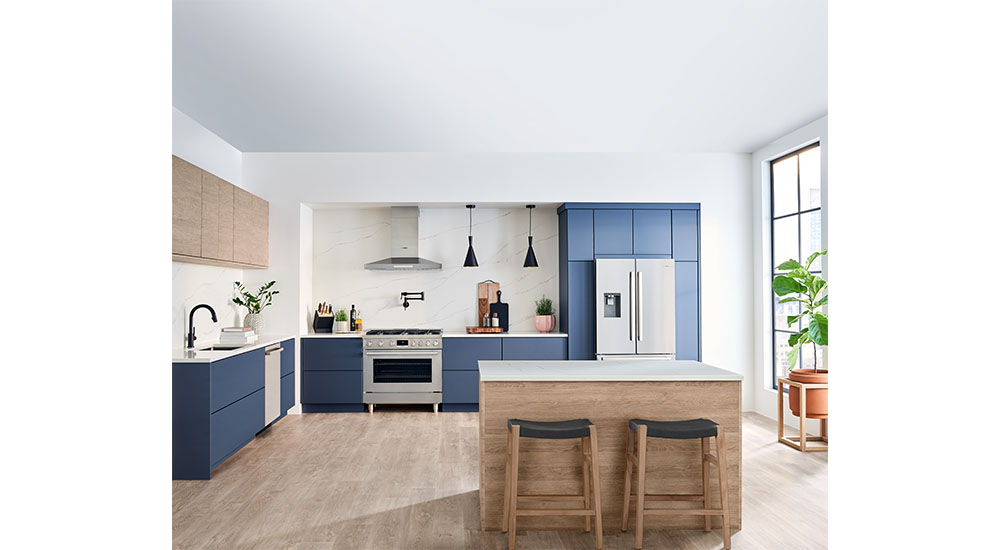
Above: Bosch connected appliances. Photo courtesy of AJ Madison
“When smart appliances work well, they fade into the background,” said AJ Madison vice president of marketing and appliance expert, Amy Chernoff. “The best AI-driven products don’t ask homeowners to think more, but instead, quietly remove friction from everyday routines. AI is most powerful when it solves real problems. Precise temperature control, automatic dosing and adaptive cycles aren’t just flashy features, but helpful hands in daily routines.”
Matching AI Home Appliances to Consumer Behavior
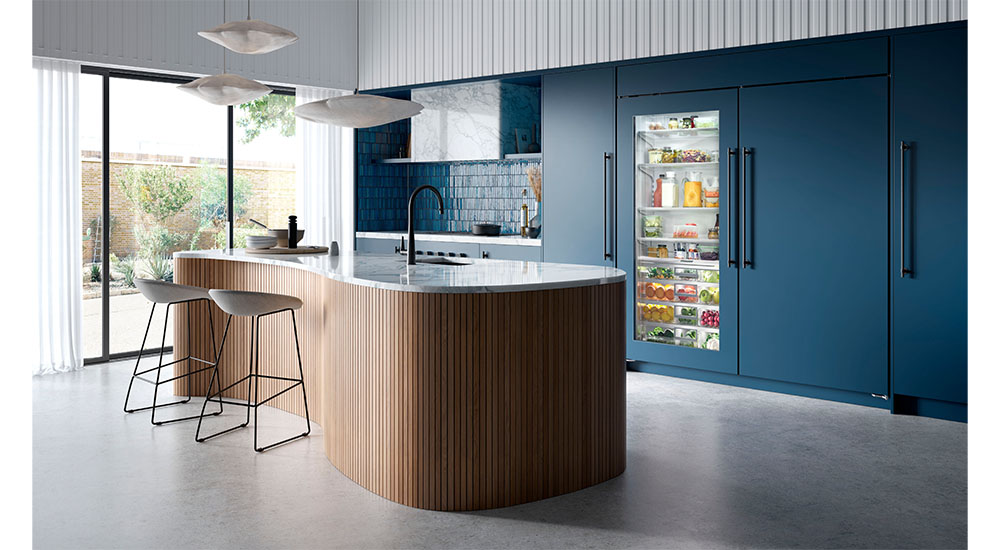
Sub-Zero refrigerator. Photo courtesy of AJ Madison
Rather than novelty, the true value of smart appliances lies in how well they support individual lifestyles. These appliances are not gadgets. They are tools designed to support how consumers cook, entertain, travel and live. Chernoff provides some concrete examples among the brands represented:

For passionate bakers: Wolf M Series Smart Wall Oven — Gourmet mode selects ideal temperature, rack placement and cooking method for pastries and multi-rack bakes.
For effortless cleanup: Miele G7000 with AutoDosTM + PowerDisk — Automatically doses detergent and adjusts cycles for spotless dishes with minimal effort.
For longer-lasting freshness: Sub-Zero Smart Built-In Refrigerator — Smart humidity and airflow controls extend produce life and streamline organization.
For precision cooking: Gaggenau 400 Series Combi-Steam / Induction — Exact humidity and temperature control deliver restaurant-quality results at home.
For fabric care: Miele Smart Laundry with AI + TwinDos® — Fabric-specific cycles and auto-dosing protect clothing and extend garment life.
For entertainers: Café Smart Ice-Capable Refrigerator and Smart Dishwasher — Schedule ice production, prevent mid-party failures and simplify cleanup.
For busy or traveling homeowners: Bosch Home Connect® Suite — Full remote control allows users to manage appliances from anywhere.
“We see the highest satisfaction when people choose appliances based on how they live, not just what’s trending,” says Chernoff. “A serious baker and a frequent traveler need very different kinds of intelligence in their kitchens.”
However, there are trade-offs as smart technology is not always smart enough. There is the other side of luxury, as despite the benefits, smart appliances come with real considerations such as higher upfront costs, dependence on ongoing software updates and brand support, data privacy concerns, and added complexity for users, as well as limited cross-brand compatibility along with specialized service requirements and long-term maintenance risks. Smart is only as good as the ecosystem supporting it. Without reliable updates or seamless integration, convenience can quickly erode.
“Connectivity alone doesn’t equal value,” Chernoff cautions. “If an appliance depends on outdated software or doesn’t integrate well with the rest of the home, the experience can quickly become frustrating.”
Authenticity Versus AI
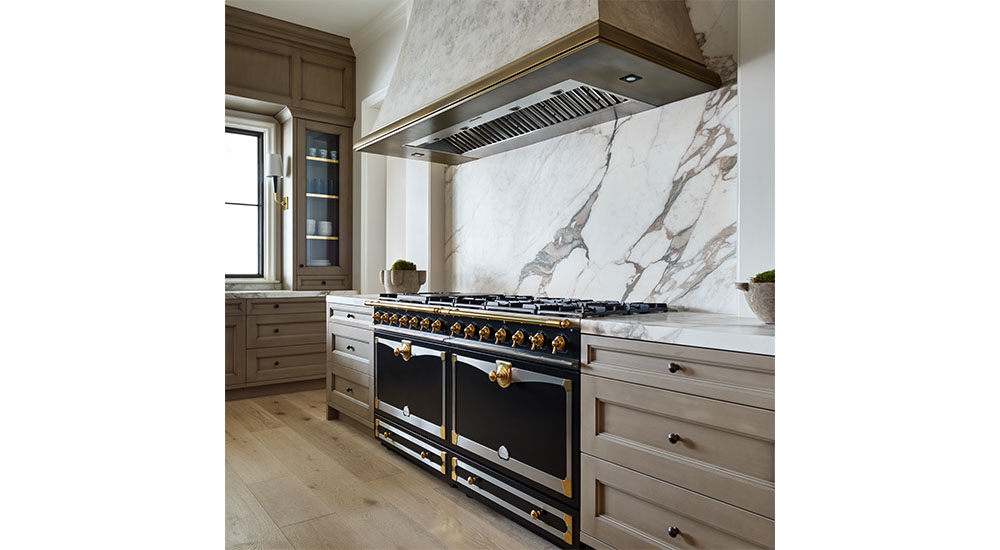
La Cornue range. Photo courtesy of AJ Madison
Some consumers don’t view automation as an upgrade. Brands such as La Cornue, known for hand-built French ovens, represent a different philosophy rooted in craftsmanship rather than connectivity. They offer no apps, no automation and no cloud updates. What they provide is excellent precision engineering, tactile controls and cooking guided by human intuition. For many homeowners, this tactile experience, longevity and artistry define what “better” truly means. There are two definitions of modern luxury: smart technology for those who prioritize time-saving convenience in a unified digital home, and traditional luxury, for those who value craftsmanship, control and appliances meant to last a generation.
“Today’s luxury consumer is split,” says Chernoff. “Some want seamless automation and remote control, while others want tactile knobs, craftsmanship and appliances that will last decades. Neither approach is wrong. Luxury is about alignment. It’s when an appliance reflects how you cook, clean, and live.”
For selecting smart appliances that add value, homeowners are encouraged to consider which tasks they want to simplify or automate; whether they prefer a single-brand ecosystem or a best-of-breed approach; the importance of long-term software support; the compatibility with existing smart-home platforms (Alexa, Google, Apple) and which features offer real value versus novelty. Smart appliances should reduce friction, not create it. Smarter can be better when it is purposeful.
In 2026, AI home appliances can transform how people cook, clean and live, but intelligence alone doesn’t guarantee improvement. Better living is defined by convenience, quality, durability and how well a home reflects its owner’s lifestyle. A perfect roast, spotless dishes, pristine laundry or a seamless kitchen experience are the outcomes that matter most. Whether they come from automation or human touch, it is a personal choice.
“The future of AI-enabled appliances is the intersection of convenience and concern. Use cases are wide reaching and aspirational, but consumer adoption is still low,” Chernoff tells KBB. “There are many concerns around privacy and ‘digital load’ on home WiFi networks that require additional shifts in behavior including investment in broadband, interconnectivity between other household appliances and systems which will be required to truly change consumer adoption. No homeowner is going to say no to the idea of AI-driven maintenance alerts before potential costly failures occur. For this to work, it does require connecting the appliance to WiFi to receive such alerts and most consumers who buy smart appliances today don’t connect them. We’ll have to climb that mountain before smart appliances can learn to anticipate the needs of the owner.”
“Smart can absolutely be better,” Chernoff concludes. “But only when it’s intentional. The most successful kitchens aren’t the most connected, but rather, the most considered.”