
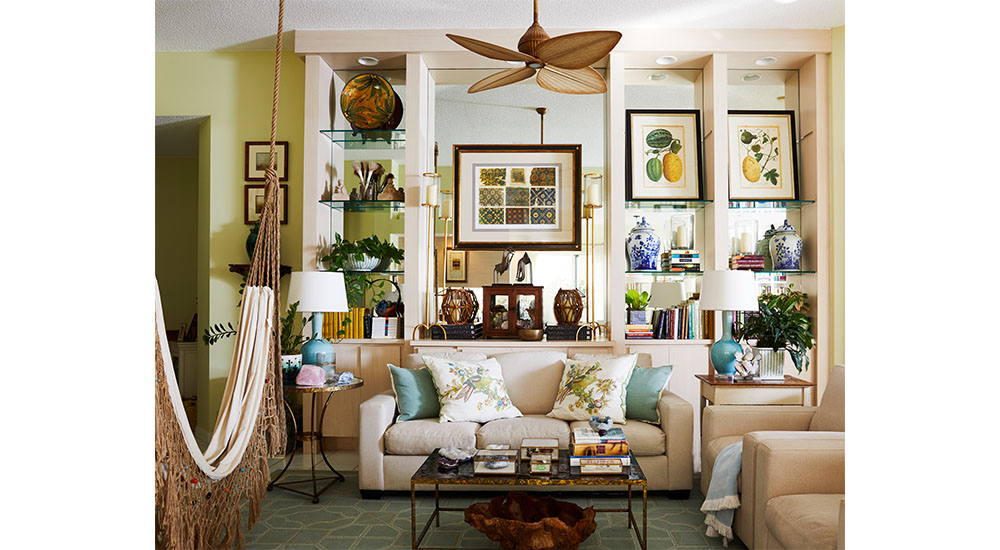
As designers, we have the opportunity to do far more than create beautiful spaces. We shape the environments where people spend most of their lives, and those environments quietly influence everything from their physical health to how they feel, behave and connect with one another. Every lighting choice, every finish, every layout decision can either add friction or create ease. When made with intention, design becomes a form of care.
Over time, living in thoughtfully designed spaces can reduce stress and even improve how people treat one another. This is what it means to design for the greater good.
The Hidden Impact of Design
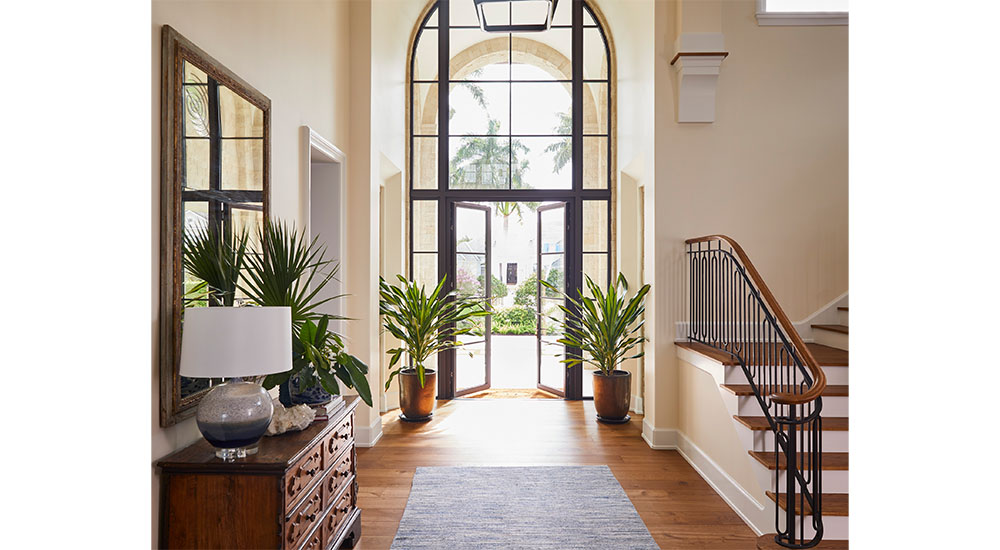
A light-filled entryway with oversized windows makes the home feel bright and welcoming. Photo: Brie Williams
We all recognize when a space feels good: it is the ability to exhale a sigh of relief when you walk into a room. The question is, why do some spaces have this effect, while others don’t?
Research and experience both point to a few consistent factors. Natural light is at the top of the list. Humans are biologically wired to respond to natural light; it regulates mood, sleep, and energy. And as designers, we know that large, light-filled windows are always the preference. But when daylight is limited, layered, warm-toned lighting can still create a sense of comfort and visual balance. In spaces like the bedroom or living room, where relaxation is key, use LEDs around 2700 kelvins for a cozy, warm glow that is similar to traditional incandescent lighting sources. In the kitchen and bathroom, 3000K bulbs provide a slightly clearer, brighter light that is often more suitable for the activities taking place in these spaces.

Materials matter just as much. Natural materials like wood, stone, cotton, and linen are typically healthier to live with, releasing fewer toxins than many synthetic alternatives. They also reconnect us to nature, something our nervous systems instinctively seek. A live-edge wood table, a stone countertop, or a fabric inspired by organic forms does more than look beautiful: it subtly grounds us in our surroundings.
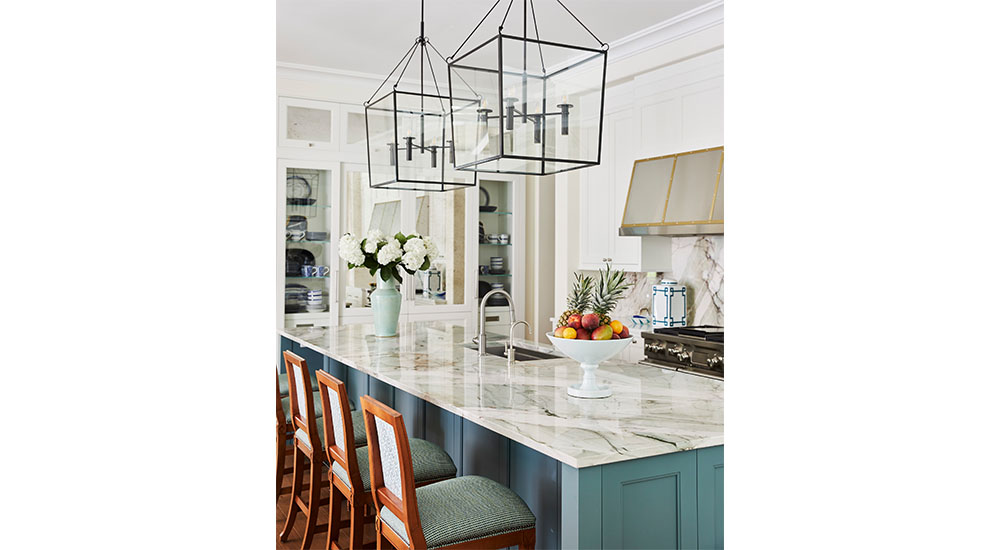
This Naples, Florida home features Cristallo Tiffany Quartzite in soft blues and greens, echoing the surrounding waterways and expansive skies. The natural stone also brings a quiet, grounding calm to the space. Photo: Brie Williams
The layout of a space is equally powerful. I see this every day in my clients’ homes. When a kitchen is cramped or poorly planned, people avoid it. When a bathroom lacks privacy or intuitive flow, it becomes a source of stress rather than support. But when these spaces are designed with care, and consideration for the needs of each person using it, they invite people in. They become places of connection and restoration.
Why Kitchens and Baths Matter Most
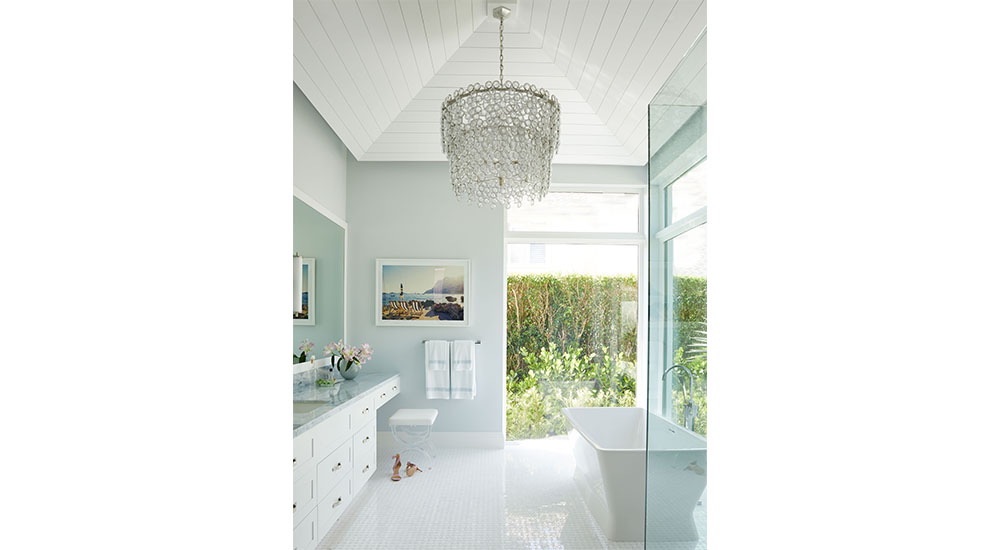
A soft blue palette and clean layout set the stage for a spa-like retreat, while large windows filled by privacy landscaping blur the line between indoors and out. Photo: Brie Williams
Kitchens and bathrooms are where daily life happens. They are where we nourish ourselves, care for our families, and begin and end each day. A well-designed kitchen with generous prep space, comfortable seating, and good lighting naturally draws people together. A thoughtfully planned bath, with warmth, privacy, and smart storage, supports relaxation and unwinding in a clean, uncluttered space.
These spaces are deeply personal. True wellness-focused design recognizes that every client’s needs are different. What makes one person feel at ease may not work for another. That is why good design always starts with listening and understanding how someone lives, moves, and feels in their home.
The smallest choices like drawer placement, lighting levels, clear pathways, can quietly make life flow more smoothly. Over time, these small moments add up to a meaningful difference.
Design for Good: The Bigger Picture
The most incredible part about designing for wellbeing is that it has a ripple effect. When we create healthier homes, we help create healthier people and healthier communities. This is because people who feel supported by their environments are more patient, more connected, and more capable of caring for others. It helps to access our natural generosity. This is how we, as designers, have the ability to shape a healthier and kinder world.
That is how we design for good.
—Lisa Kahn-Allen is founder, CEO and chief design officer of Lisa Kahn Designs in Naples, Florida