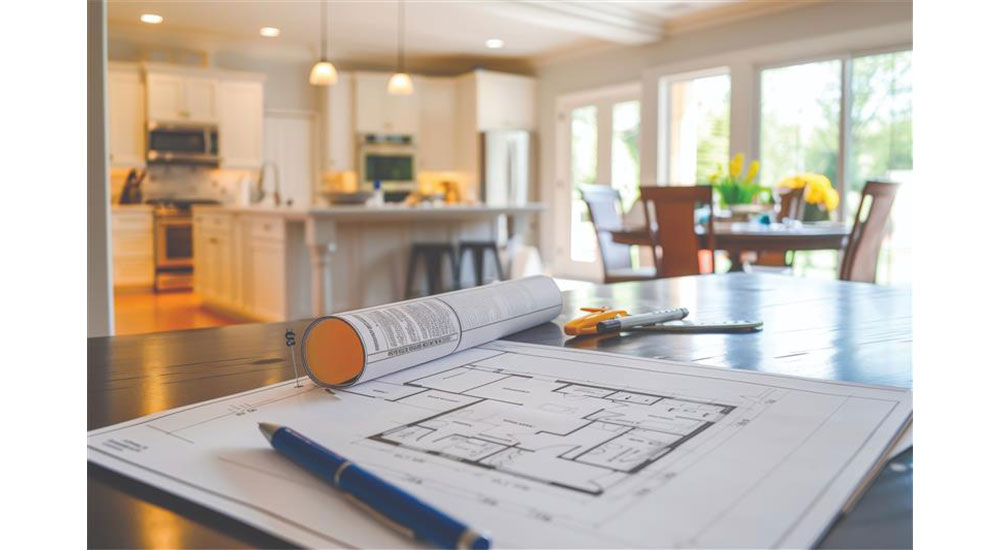
Consumer fiscal confidence is on a bit of a slippery slope these days. That factor as well as increasing home values are two of the main reasons people are still choosing to stay in their current homes and renovate versus moving or building a new residence. Although larger renovation projects may be taking a backseat in today’s uncertain economic outlook, the National Association of Home Builders is forecasting a 4% nominal gain in home improvement-related spending in 2026.
Generational Influences
- Baby boomers and Gen Xers are driving the remodeling industry.
- Millennials are entering the fixer-up home-buying market.
- Boomers and Gen Xers are most likely to use a designer.
- Millennials, Gen Xers and boomers are spending the most on kitchen remodels.
- Gen Xers in their peak earning years will represent most of the new-construction homebuyers.
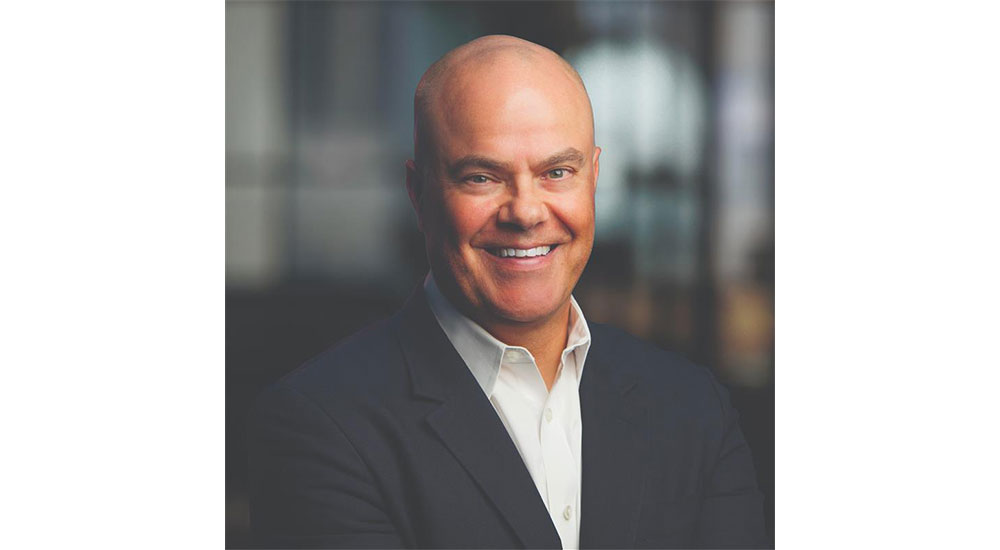
“The Fed has continued to cautiously lower rates, which is making borrowing more palatable. The hope is that this will unlock some of the unprecedented levels of home equity and get more of the so-called ‘missing middle’ of homeowners off the sidelines and into the renovation game.” Bill Darcy, Global President & CEO of the National Kitchen & Bath Association, Photo credit: NKBA

“A largely static housing market and relatively stubborn mortgage rates continue to keep many homeowners locked into their current homes and their favorable mortgages, which means they are inclined to improve their existing spaces,” said Bill Darcy, global president and CEO of the National Kitchen & Bath Association. “Older homeowners – boomers in particular – are staying put and investing in their homes rather than looking to downsize. Meanwhile, a very high number of homes are in or entering their prime remodeling years.”
According to Elizabeth Von Lehe, chair of the American Society of Interior Designers, renovations will be more about functionality and longevity and less about aesthetics in 2026. Homeowners are wanting aging-in-place elements so they can remain in their properties as long as they can. Many are also investing in multigenerational needs to support multiple ages living in the home.

“In addition to remodeling being a bright spot, townhouses construction also gained market share and is now 18% of single-family home building. The higher-end custom home building also saw a slight gain and a market share expansion to near 20% of single-family home building.” Rob Dietz, SVP & Chief Economist of the National Association of Home Builders, Photo credit: NAHB
In terms of new residential construction, Rob Dietz, SVP and chief economist of the NAHB, is forecasting an increase of 1% for single-family home building in 2026, rising to nearly 950,000 construction starts. Over the next 10 years, the NAHB predicts a 30% gain for the overall size of the remodeling market. Dietz also said NAHB industry surveys reveal that many home builders have slightly positive sales expectations for mid-2026, as mortgage interest rates trend lower but remain above 6%.
Material Price Increases & Supply Chain Disruptions
Albeit constantly in flux, the tariff situation means that many of these price increases are being passed on to consumers. Design and construction pros are determining from which countries they can import and are also depending on more domestic supplies.
“To address the uncertainty around tariffs and handle the rising cost of materials, NKBA members have ordered more materials in advance, turned to American suppliers, negotiated better shipping rates with foreign suppliers and enhanced communication and planning with clients about pricing risks,” said Darcy.
According to Kermit Baker, chief economist of the American Institute of Architects, inputs to construction (steel, aluminum and copper) were up about 3.5% across the whole industry – not just residential. Ten percent of these materials are imported, with residential making up about 7% of those imports (mainly wood). Dietz says lumber prices face an upside risk, as the effective duty/tariff rate for Canadian softwood lumber increased from 15% to nearly 40% by fall of 2025.

“There is a dramatic split between upper- and moderate-income households. This points to aging baby boomers driving remodeling. They need more supportive care, and our housing stock is not well designed to accommodate them.” Kermit Baker, Chief Economist of the American Institute of Architects, Photo credit: AIA
“There are a lot of workarounds going on,” added Baker. “The hope is that tariffs will bring more production domestically, but it takes time to come to fruition.”
Darcy says the good news for our industry is that the Trump administration recently announced a one-year pause on the planned tariff increases on kitchen cabinets, vanities and upholstered furniture.
“Despite the underlying challenges presented by the remaining 25% tariff, we are optimistic that this decision – and the much-needed stability it provides – will allow businesses to plan with greater confidence in 2026 as the government’s negotiations with our crucial trade partners continue,” he added.
Skilled Labor & Immigration Issues
According to Ed Brady, president of the Home Builders Institute, it will be another 10 years before our industry has a handle on the skilled labor shortage; we must correct the underlying infrastructure of training for these skills in our country first. He also says the immigration policy is not helping overcome this challenge.
“We depend on immigrant labor in this country; 25-50% of our industry is made up of foreign-born workers, including 60-70% of drywallers,” he added. “This does not mean we support undocumented workers, but someone who has spent the last 20 years here laying floors and paying taxes should have a pathway to legal status in our country. We are already building less homes because we do not have enough labor.”

“The future of the skilled trades market will not improve on its own. We need to have quality labor, and for that we need to be able to attract people into the industry. We need to provide laborers with a secure and stable income, and productivity needs to go hand in hand with the wage increases.” Ed Brady, President of Home Builders Institute
Photo credit: HBI
Brady has been in discussions with the current administration regarding the Job Corps, which has $1.7 billion we could be using more effectively to provide more effective recruitment of students, condense skilled labor training and get them into the workforce sooner. The HBI is involved in skilled labor training with more than 400 high schools, and it is also advocating with legislators to make this available to as many students as possible. The HBI collaborates with Goodwill and Boys & Girls Clubs and plans to open more regional hands-on training centers on an ongoing basis.

“People are leaving the coasts where the cost of living is high and natural disasters abound. Regions that have emphasized strong economic development efforts will see an uptick in new homes built.” Aaron Enfinger, President of the National Association of the Remodeling Industry, Photo credit: Tommy Feisel Photography
According to Aaron Enfinger, president of the National Association of the Remodeling Industry, there are multiple groups working on workforce development at the grassroots, state and federal levels. NARI has several chapters that have partnered with the NAHB on various programs, including Build My Future, which had 600 students in Columbus, Ohio, attend a hands-on job fair for the skilled trades in 2025.
Regional Factors
- In 2026, more than half of new homes will be built in the South.
- Remodeling growth will be strong in the Northeast and Midwest, where the aging housing stock requires reinvestment.
- The Midwest and Mountain States have more opportunities for growth because of their reputation for a higher share of manufacturing activity.
- 2026 will see continued construction and development in urban centers like Chicago.
- The luxury market is a reliable source of growth throughout the country.
AI – Where Does Our Industry Stand?
According to Von Lehe, the skilled labor positions will never be outsourced to AI because they require a physical presence. The construction market is using it for back-office jobs like writing proposals, but human beings are needed on site during the projects. Enfinger says AI is not replacing jobs but making people more efficient. NKBA research has found that AI is used as part of a workflow and a tool but not a replacement for design expertise. Von Lehe has seen clients try to use AI as a replacement for a designer, which she says is risky to do at any scale and that adaption needs to be tied to a client need.
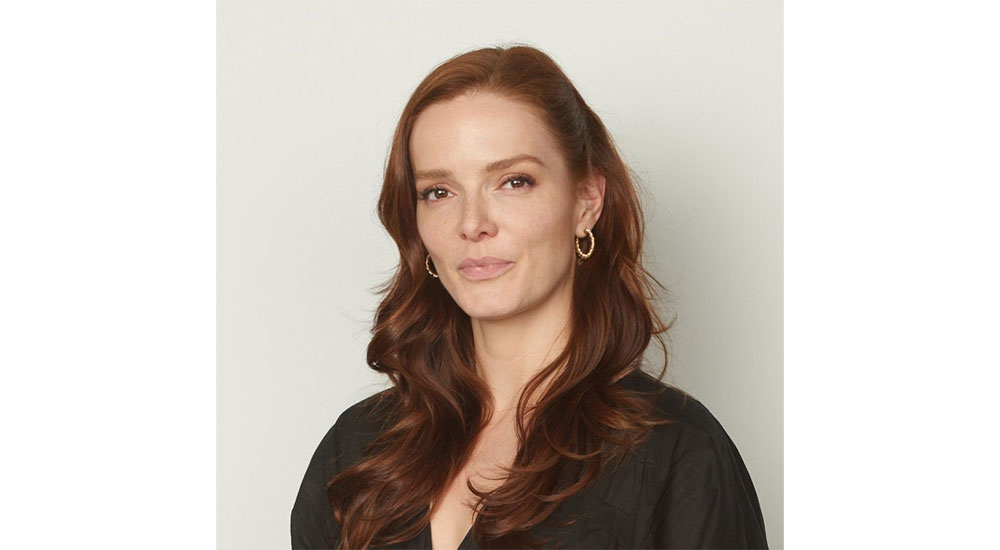
“Employment opportunities in our industry are good, but the expectation for deeper expertise and wider skill sets is high. There is an uptick in young people respecting this more than they did a few years ago, which is a good thing for our industry.” Elizabeth Von Lehe, Chair of the American Society of Interior Designers, Photo credit: David Genik
“There’s no doubt AI will impact the K&B industry in both predictable and unforeseen ways,” said Darcy. “Our industry is fundamentally hands-on and people-centric, so I am hopeful that AI will be most important as a tool that helps our members run their businesses more efficiently and service customers more effectively, without diminishing the human qualities that make our industry so special.”
Design Trends in 2026 & Beyond
Aging-in-place, universal and multigenerational design are now becoming the norm – an expectation versus a want or a need. Aging homeowners need to ensure their living conditions constantly and continually their needs, and in-law suites are becoming more popular as parents move in with their adult children.
Designers are investing in smart home technology that stands the test of time and are avoiding any gimmicky features. They are collaborating with integrators who can work with clients to make worthwhile decisions. Smart technology should be incorporated with intention to meet homeowners’ specific needs and support their overall well-being.
Design for wellness is huge in our industry, and homeowners are dedicating more space in their kitchens and baths to accommodate elements like bathing therapies; improved, layered lighting plans; and multipurpose zones in the kitchen to accommodate pet-feeding stations and social engagement.
Homeowners today are increasingly supporting sustainable design practices, although programs like Energy Star have been eliminated.
“Clients may become more reliant on designers and contractors for their expertise in selecting environmentally friendly products in the sourcing and purchasing process,” said Darcy.
“This moment presents an opportunity for kitchen and bath industry professionals to demonstrate thoughtful environmental stewardship and commit to a future driven by responsible innovation, as we continue to help consumers make informed choices that reflect their individual tastes and lifestyle.”